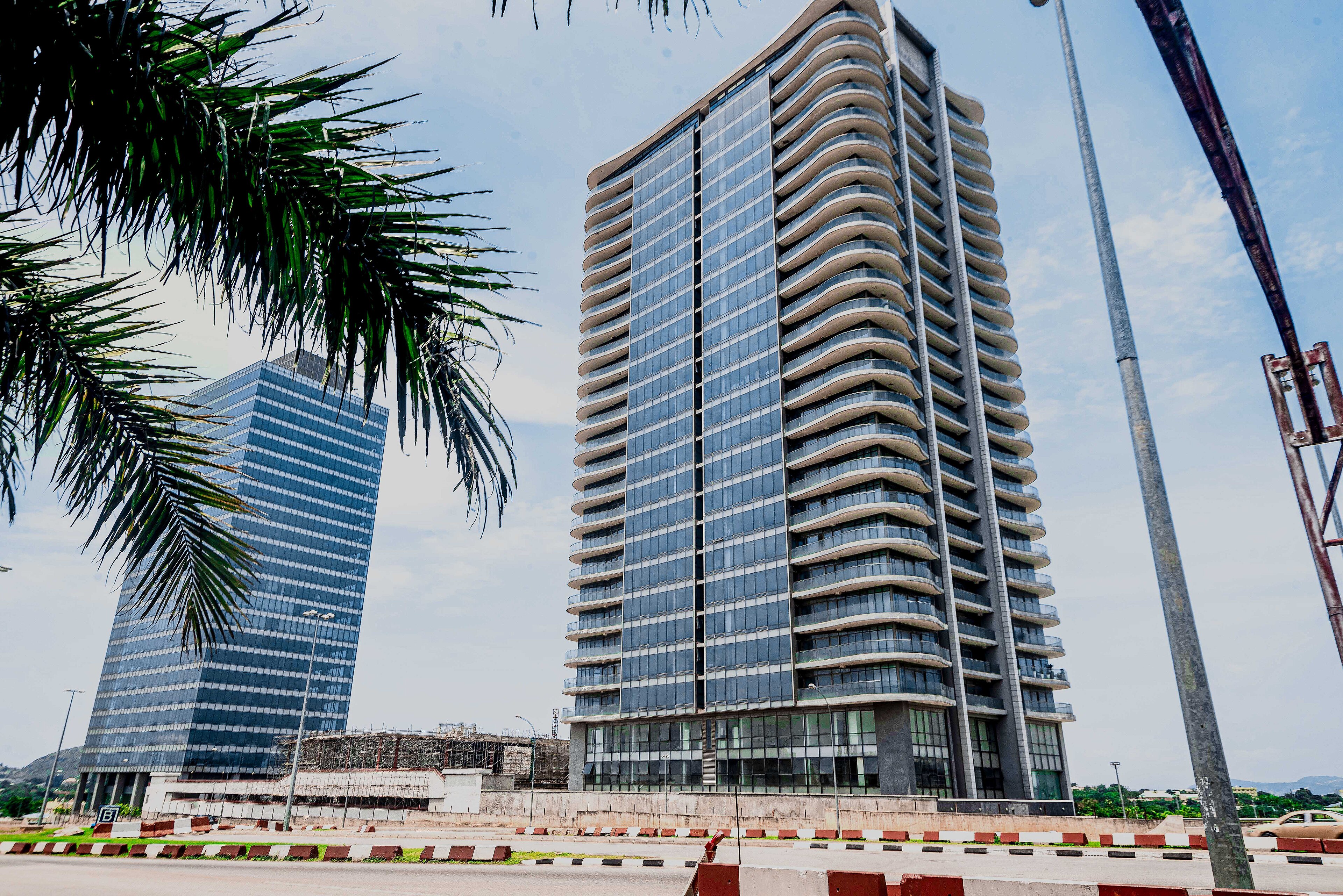
The term 'Abujan' and the city name Abuja derive from the nearby historic town of Abuja (now renamed Suleja, located about 40 km from the modern capital), which has fascinating Hausa linguistic origins. The original Abuja was founded in the early 19th century by Abu Ja (also spelled Abubakar Ja), who was the younger brother of the Emir of Zaria, one of the major Hausa kingdoms in what is now northern Nigeria.
According to oral tradition and historical records, Abu Ja was of the ruling Mallawa dynasty and left Zaria around 1825 following a succession dispute with his brother Yamusa, the Emir. He migrated southward with his followers and established a new settlement on Zuba Hill, initially called Zuba. The name Abuja is a Hausa contraction combining his personal name Abu (short for Abubakar) with his nickname Ja, which in Hausa means 'red' or 'fair-skinned', describing his relatively light complexion—a distinctive feature that made him stand out and became part of his identity. Thus Abu-Ja literally translates to 'Abubakar the Red' or 'Fair-skinned Abubakar'.
The modern Federal Capital Territory of Nigeria was named after this historic town when planners sought a location for a new capital in the 1970s. The decision to relocate Nigeria's capital from Lagos was made in 1976 under the military government of General Murtala Mohammed, who established a committee to recommend a new site. The committee selected the Abuja area primarily because of its strategic central location in Nigeria's geographical heart and its position as neutral ground among Nigeria's three major ethnic groups—the Hausa-Fulani (North), Yoruba (Southwest), and Igbo (Southeast).
The area was predominantly inhabited by the Gwari (Gbagyi) people, a minority group with no major political dominance, making it politically neutral territory where no single major ethnic group could claim historical ownership. This neutrality was considered crucial for national unity after the devastating Nigerian Civil War (1967-1970). The new capital was officially inaugurated on December 12, 1991, when government functions transferred from Lagos. The demonym 'Abujan' follows English naming conventions for city residents.