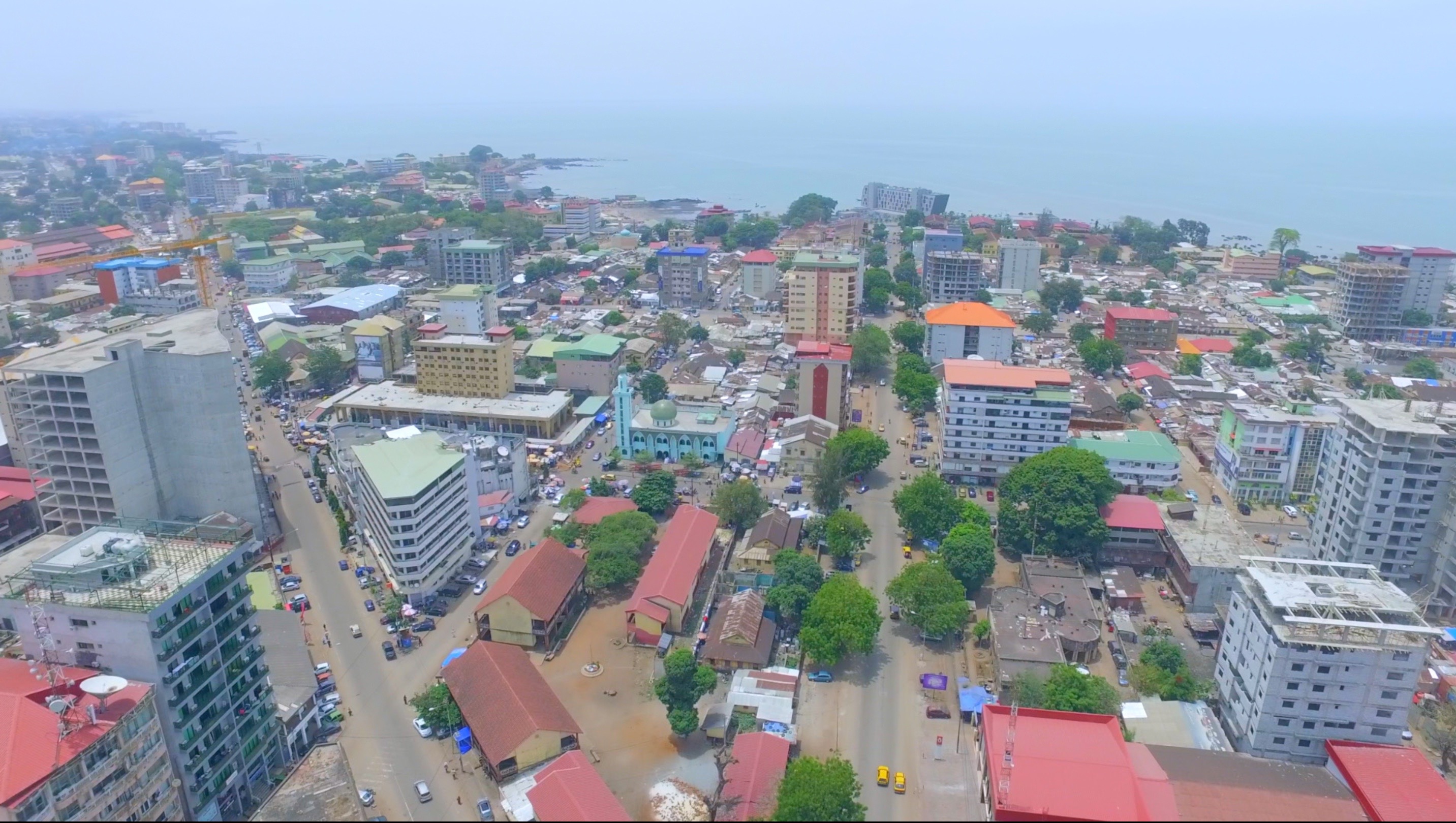
The name Conakry derives from the original fishing village of the Susu people located on the Kaloum Peninsula. In the Susu language, the name is believed to mean 'the other shore' or 'the opposite side,' describing the settlement's unique position on a narrow peninsula extending into the Atlantic, separate from the mainland. Alternative theories suggest roots in the indigenous Baga language, where it may have referred to the salt marshes or mangroves native to the area.
In 1887, France selected the site as the administrative center for French Guinea due to its deep-water natural harbor and defensible geography. Led by Governor François-Joseph Ballay, colonial architects transformed the village into a planned city featuring a grid layout, wide boulevards, and whitewashed European administrative buildings. The development of the Conakry-Niger Railway in 1900 further cemented the city's role as a vital export hub for bauxite, coffee, and palm oil.
Guinea made history on October 2, 1958, as the first French African colony to achieve independence after rejecting the French Community in a national referendum. Under the leadership of Sékou Touré, Conakry became a symbol of African sovereignty and anti-colonial resistance. While the French withdrew abruptly, the city remained the national capital and continued to expand from its peninsular roots onto the mainland.
Today, the city has sprawled far beyond the original colonial 'Plateau' district, connected by causeways to ever-growing mainland neighborhoods. Though the demonym 'Conakryan' identifies its residents, the city's identity is defined by its vibrant markets, its role as the nation's economic engine, and its legacy as the birthplace of Guinean independence.