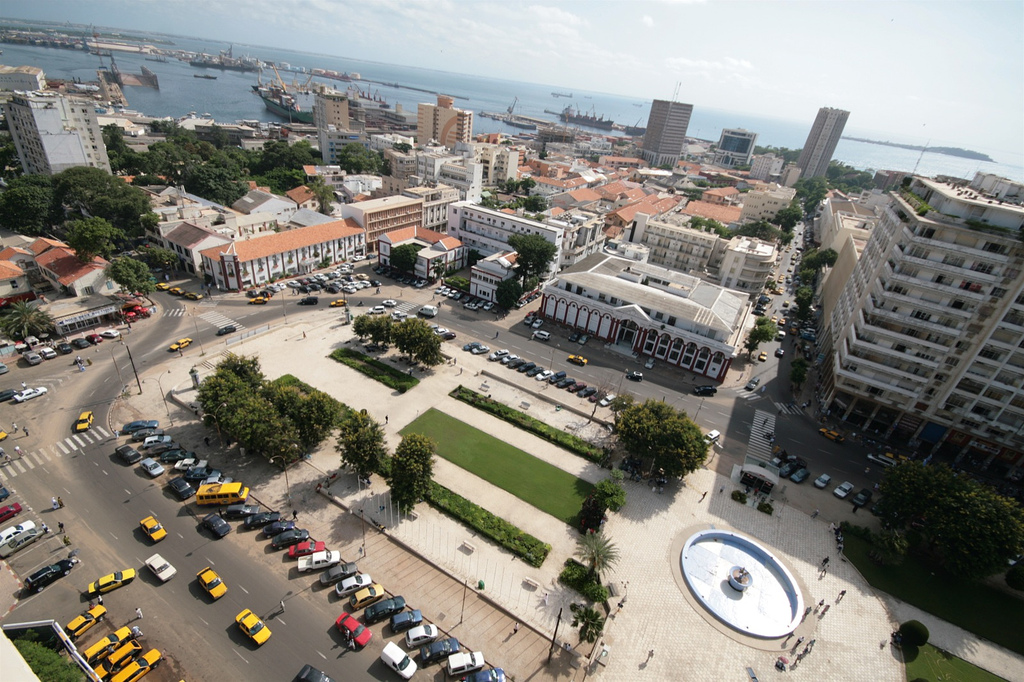
The term 'Dakarois' (a French-derived demonym) and the city name Dakar originate from the Wolof language, the dominant language of Senegal spoken by approximately 80% of the population. The name derives from the Wolof word dakhar or daxar, which refers to the tamarind tree (Tamarindus indica), a large, long-lived tree with edible fruit that is common throughout the Sahel region of West Africa.
The most popular etymological legend recounts that when French naval officers first arrived at the Cape Verde Peninsula in the mid-19th century, they asked local Lebu fishermen what the place was called. The fishermen, misunderstanding the question or choosing to answer literally, pointed to a prominent tamarind tree standing nearby and said "dakhar"—giving the tree's name rather than the settlement's name. The French officers recorded this response and subsequently used "Dakar" to designate the location on their maps and official documents. Whether this anecdotal origin is historically accurate or apocryphal, it has become deeply embedded in local tradition and cultural memory.
Before French colonization, the area was a small Lebu fishing village with scattered huts on the peninsula's southern tip. The Lebu people are an ethnic subgroup related to the Wolof who traditionally occupied the coastal areas around Cape Verde and were primarily fishermen and farmers. Historical accounts suggest the settlement was called Ndakarou in the local Wolof-Lebu dialect, which may represent a fuller form of the tamarind-derived name, though exact pre-colonial nomenclature remains somewhat unclear.
The French recognized the peninsula's exceptional strategic value: it is the westernmost point of mainland Africa, providing the shortest sea route between Europe and South America, and offers a naturally protected deep-water harbor. In 1857, the French established a naval base and fort there, and in 1862 formally founded the city of Dakar as a colonial settlement. The city rapidly eclipsed the nearby island settlement of Gorée (famous now for its role in the Atlantic slave trade) and the older mainland town of Rufisque to become the capital of French West Africa (Afrique Occidentale Française, AOF) in 1902, governing a vast colonial federation stretching from Mauritania to Niger.
The demonym 'Dakarois' follows French linguistic conventions (similar to 'Parisien' for Paris), reflecting the city's Francophone colonial heritage. Senegal gained independence on August 20, 1960, and Dakar remains its capital, a vibrant cosmopolitan city where Wolof, French, and various other languages create a rich multicultural atmosphere.