Bissau

West Africa, Guinea-Bissau
Guinea-Bissau

People from Bissau are called:

Male/General:

Bissau-Guinean

Pronunciation:

/bɪˈsaʊ/

Quick Facts

Population:
492,004 (2024 est.)
Country:
Guinea-Bissau
Region:
West Africa

Explore Bissau

Want to explore where Bissau-Guineans live? Here's the atlas that does it best:

National Geographic Atlas of the World

Highly detailed, stunning visuals

See more options

As an Amazon Associate we earn from qualifying purchases.

Etymology & Origin

The name Bissau derives from the language of the Papel people, an indigenous ethnic group of the Geba River estuary. While its precise meaning is debated due to its origins as an oral toponym, linguists suggest it translates to 'place of water' or 'settlement,' reflecting the region's complex network of mangrove swamps and tidal waterways.

Portuguese colonizers established a fortified trading post at the Papel settlement in 1687, naming it the Fortaleza de São José de Bissau. For centuries, the site served as a strategic military and commercial hub for the trade of gold, ivory, and enslaved people. It remained a modest outpost until 1941, when the capital of Portuguese Guinea was transferred here from Bolama due to Bissau's superior deep-water port facilities.

The city became the flashpoint for one of Africa’s most intense decolonization struggles, led by Amílcar Cabral and the PAIGC. After a decade of guerrilla warfare, the nation achieved independence in 1974. The country added 'Bissau' to its name to distinguish itself from neighboring Guinea (Conakry), cementing the city's role as the national heart.

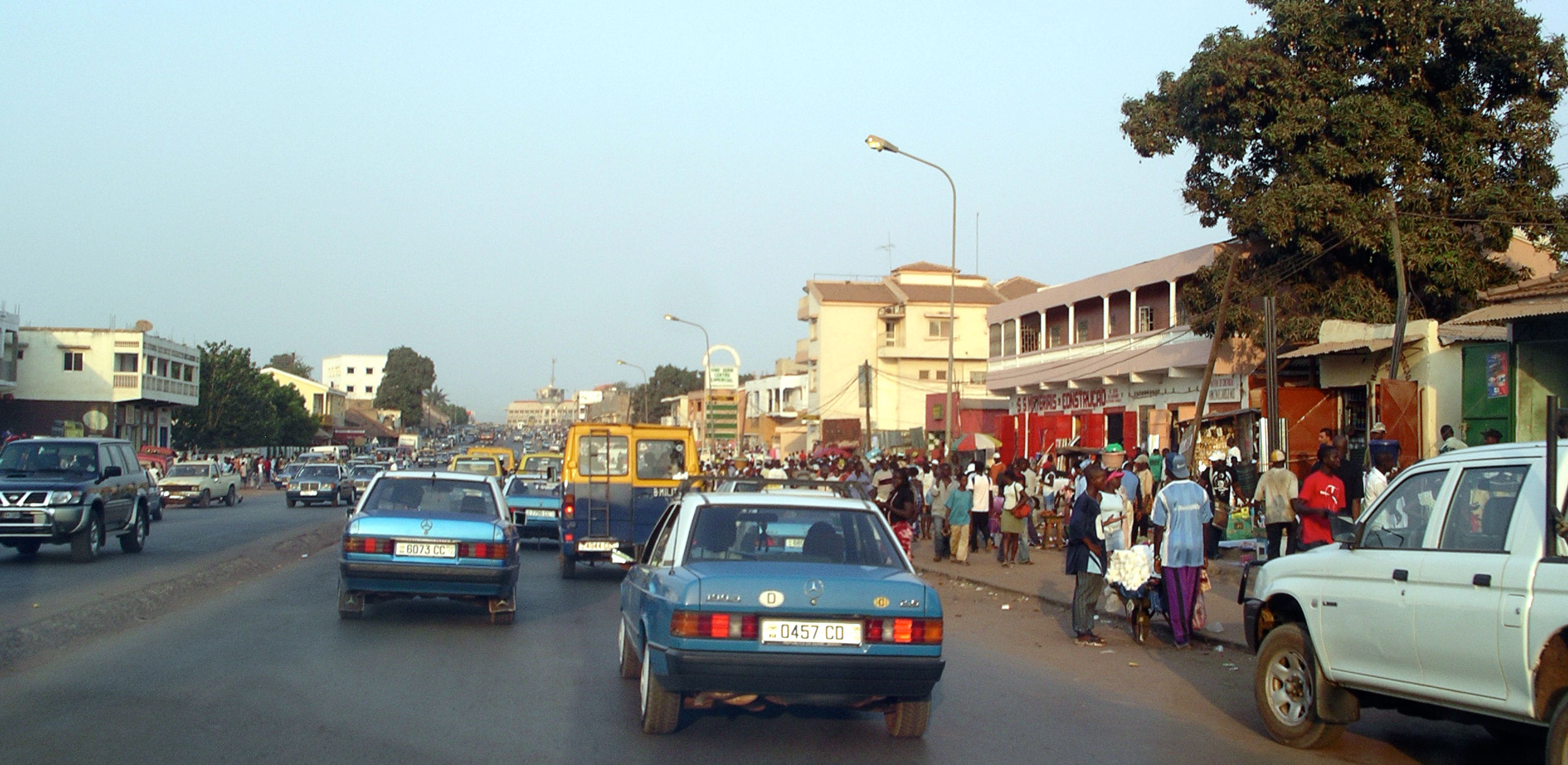
Today, Bissau's landscape is a mosaic of its history, featuring Mediterranean-style whitewashed colonial buildings, post-independence landmarks, and bustling port districts. Despite periods of political instability, the city remains the cultural and economic anchor for the Bissau-Guinean people.
Notable People Associated with Bissau

Generations of talented individuals have been associated with this vibrant place.

Politics & Leadership

Amílcar Cabral

Bafatá, Portuguese Guinea

Revolutionary leader and intellectual who led Guinea-Bissau and Cape Verde to independence from Portugal. Considered one of Africa's greatest liberation theorists, he was assassinated in 1973, months before independence.

Liberation LeaderPAIGC FounderPan-African Revolutionary

Music & Entertainment

José Carlos Schwarz

Bissau, Portuguese Guinea

Legendary musician and songwriter known as the father of modern Bissau-Guinean music. He blended traditional music with modern sounds and his songs became anthems of the independence movement.

Bissau-Guinean Music PioneerNational HeroCultural Icon

About Bissau

  • Capital and largest city of Guinea-Bissau on the Geba River.
  • Major port city and center of Guinea-Bissau's cashew nut trade.
  • Former Portuguese colonial capital with colonial architecture.
  • Important fishing port and regional trading center.
  • Cultural center known for traditional Balanta and Fula music.

Test Your Knowledge

Challenge yourself with our demonym quizzes and see how many you can get right!

Take a Quiz →