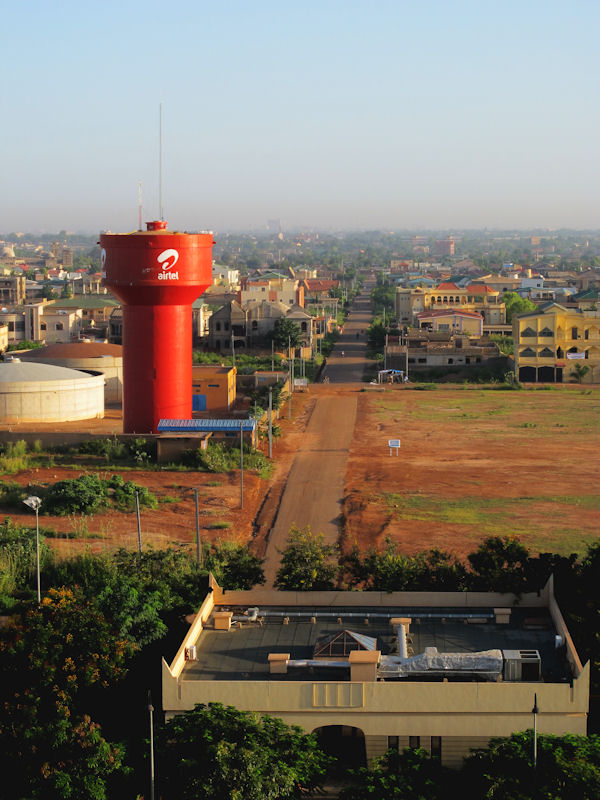
The term 'Ouagalais' (French-influenced demonym) and the city name Ouagadougou represent a French phonetic adaptation of the Mooré (or Mossi) language word Wogodogo or Wôgdgo, with variant spellings including Wagadugu, Waghadoughou, and Ouagadougou. The name carries profound meaning in Mooré: 'where people get honor and respect', 'land of honor', or alternatively, 'you are welcome here'—reflecting traditional Mossi values of hospitality, dignity, and social hierarchy.
The city's foundation is attributed to Naba Yadega (also spelled Naaba Wubri or Ouédraogo), a warrior-prince of the Mossi people who established it in the late 15th century (approximately 1495, though dates vary between 1441-1500 in different sources) as the capital of the Mossi Kingdom of Wagadugu, one of several Mossi kingdoms that emerged in the region. The Mossi kingdoms were unusual in West Africa for their resistance to Islamic conversion; they maintained their traditional animist religious practices and unique political system well into the colonial era, with Naaba (or Mogho Naba) meaning 'King' or 'Emperor'.
The Mogho Naaba (supreme Mossi king) has resided in Ouagadougou for over 500 years, maintaining court traditions and ceremonies that continue today, making it one of Africa's longest-lasting royal lineages. The Naaba's palace remains in the city center, and even after French colonization (1896) and independence (1960), the Mogho Naaba retains significant cultural and ceremonial authority, though political power now rests with the state government.
The French, who colonized the region as part of French West Africa, chose Ouagadougou as the capital of the Upper Volta colony in 1919 (named after the Black, White, and Red Volta Rivers). The colony was dissolved in 1932, divided among neighboring colonies, then reconstituted in 1947. Upper Volta gained independence on August 5, 1960, and in 1984, the revolutionary leader Thomas Sankara renamed the country Burkina Faso, meaning 'Land of Upright/Honest People' in Mooré and Dioula languages combined.
Ouagadougou is renowned as Africa's cultural capital for film, hosting the biennial FESPACO (Festival Panafricain du Cinéma et de la télévision de Ouagadougou), Africa's largest and most prestigious film festival, founded in 1969. The French-derived demonym 'Ouagalais' is used in formal contexts, though locals may simply say they are Mossi (ethnic identity) or Burkinabé (national identity, the singular form of Burkinabè people).