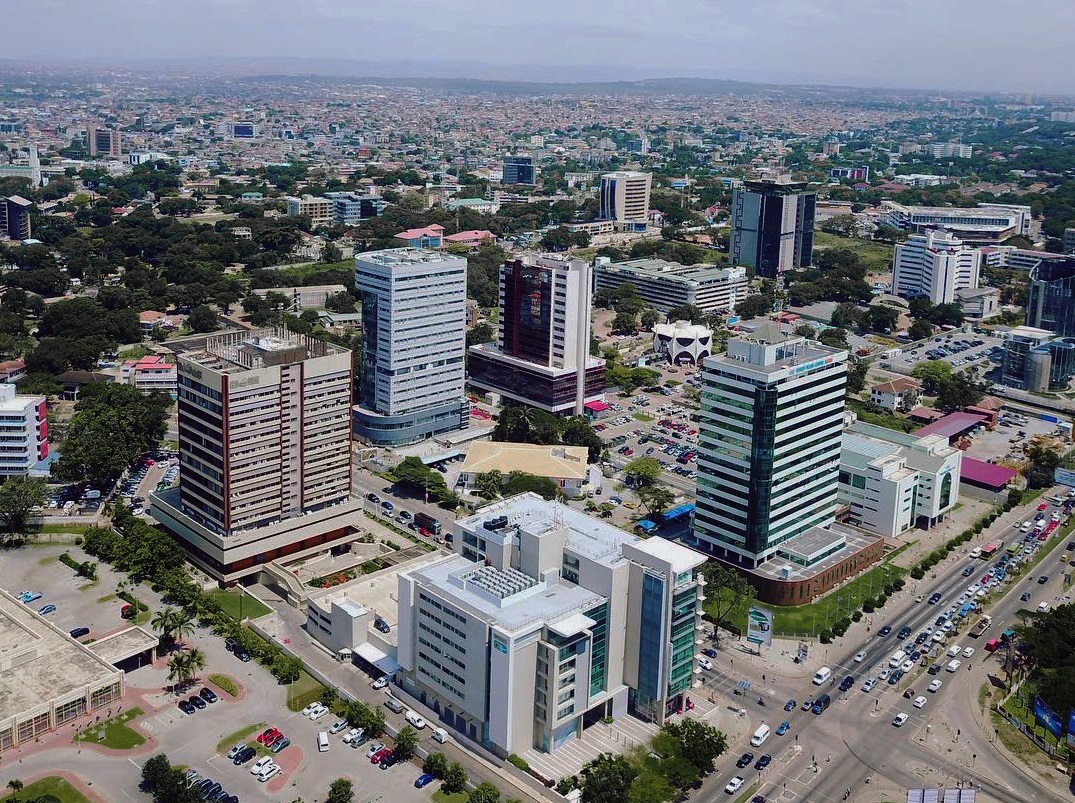
The term 'Accran' and the city name Accra have intriguing origins rooted in the Akan language family of West Africa. The name derives from the Akan word Nkran, which translates to 'ants'. This peculiar etymology has two interconnected explanations that reveal the area's historical geography and settlement patterns.
The primary explanation relates to the numerous large anthills that once dominated the surrounding coastal plains and savannas. Early European visitors in the 15th-17th centuries noted the remarkable proliferation of massive termite mounds dotting the landscape—some reaching heights of 2-3 meters—which were locally referred to using the ant-related terminology. These anthills were such a distinctive feature of the terrain that they became the defining characteristic by which the area was identified.
A metaphorical interpretation suggests the name could also refer to the large concentration of people who settled in the area, likening the dense human population to a colony of ants. This interpretation aligns with the historical reality that the Accra plains became a major settlement zone where multiple Ga villages coalesced into a larger urban center. The Ga people, who are the indigenous inhabitants and speak the Ga language (part of the Kwa language family), established several independent towns including Osu, La, Teshi, Nungua, and Tema along the coast.
Historical sources indicate that the Ga peoples migrated to the area from the north and east between the 15th and 16th centuries, possibly from the region around modern Benin. They encountered the coastal area already partially settled by Guan-speaking peoples, whom they gradually assimilated or displaced. The name Nkran specifically referred to the area around modern James Town and Ussher Town, which formed the original core of Accra.
European powers, including the Portuguese (who arrived 1482), Dutch, Danish, British, and Swedish, established trading forts along this coast during the era of the Gold Coast (named for the region's abundant gold trade). The British, who eventually consolidated control, established Christiansborg Castle in 1652 (seized from the Danes in 1850) and made Accra the capital of the British Gold Coast colony in 1877, replacing Cape Coast. The city became the capital of independent Ghana on March 6, 1957, when Ghana became the first sub-Saharan African nation to gain independence. The demonym 'Accran' follows English linguistic patterns, though locals may also refer to residents as 'Ga' after the predominant ethnic group.