Cotonou

West Africa, Benin
Benin

People from Cotonou are called:

Male/General:

Cotonois

Pronunciation:

/ˌkoʊtəˈnuː/

Quick Facts

Population:
2,415,270 (2024 est.)
Country:
Benin
Region:
West Africa

Explore Cotonou

Want to explore where Cotonoiss live? Here's the atlas that does it best:

National Geographic Atlas of the World

Highly detailed, stunning visuals

See more options

As an Amazon Associate we earn from qualifying purchases.

Etymology & Origin

The name Cotonou originates from the Fon language word Kutonou (or Kutonu), which translates to 'by the river of death' or 'mouth of the river of death.' This name refers to the Cotonou Lagoon, a body of water historically regarded in Fon cosmology and the Vodun (Voodoo) spiritual system as a liminal space and a passage between the world of the living and the spirit realm of the ancestors (Kutome).

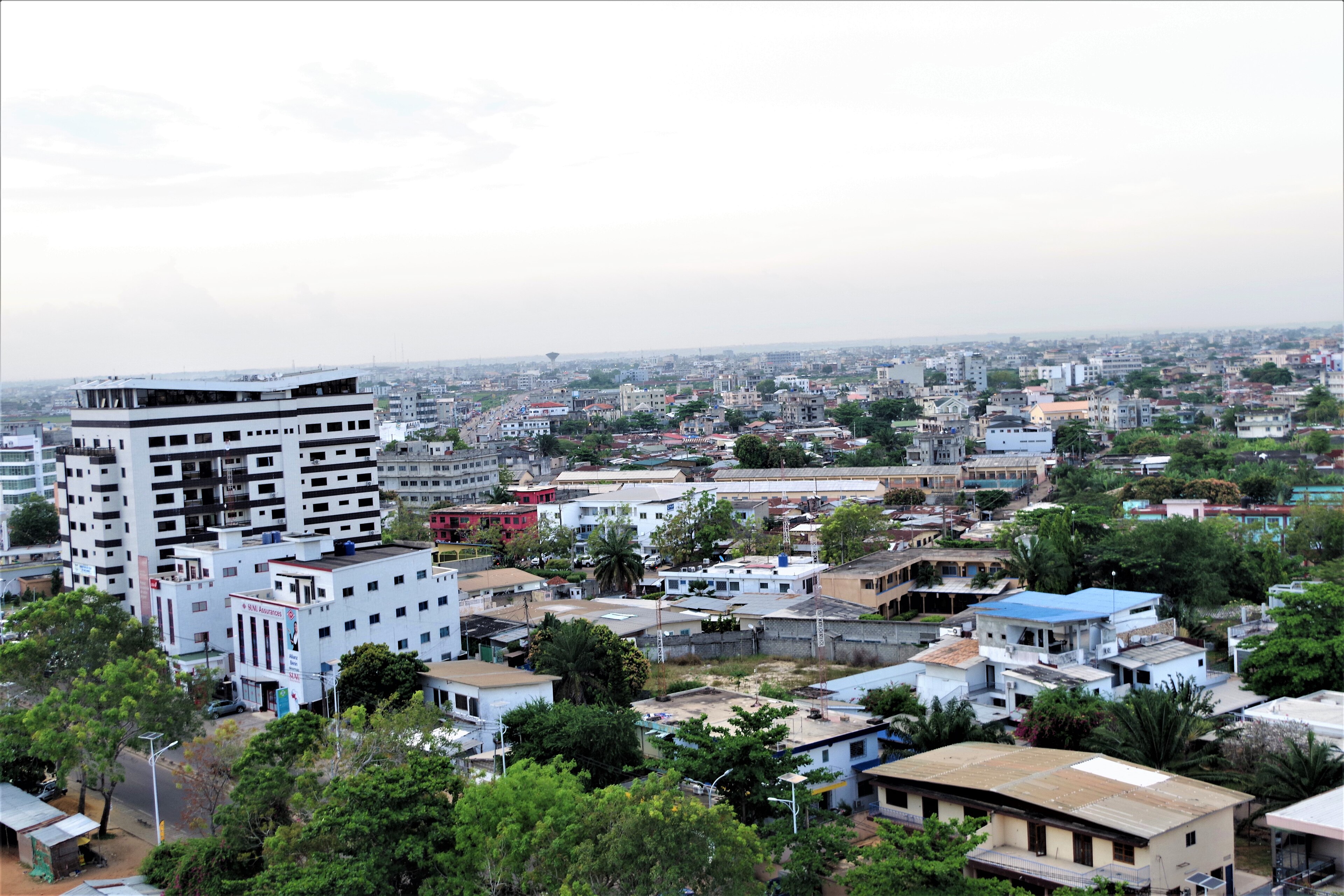
Before French colonization, Cotonou was a small fishing village within the powerful Kingdom of Dahomey. Following the French conquest of King Béhanzin in the 1890s, the colonial administration favored Cotonou over the official capital, Porto-Novo, due to its superior deep-water coastal access. They transformed the village into a major port hub, constructing railways and infrastructure that established it as the colony's economic engine. This led to a unique dual-city dynamic: while Porto-Novo remains the constitutional capital, Cotonou serves as the de facto capital, housing the presidency, parliament, and all major government ministries.

In 1975, the nation was renamed from Dahomey to the Republic of Benin. Cotonou has since blossomed into a massive urban center, famous for the Dantokpa Market, which covers over 20 hectares and is one of the largest commercial hubs in West Africa. The city remains a global center for Vodun culture, blending modern commerce with deep-rooted spiritual traditions.

Today, Cotonou is the undisputed economic heart of Benin. Its port is a vital gateway for regional trade, particularly for landlocked neighbors like Niger and for commerce with Nigeria. Despite environmental challenges such as coastal erosion and seasonal flooding, the city continues to represent the historical resilience and cultural complexity of the Fon and Yoruba peoples.
Notable People Associated with Cotonou

The area's rich history is reflected in the remarkable people connected to it.

Music & Entertainment

Angélique Kidjo

Ouidah, Benin

Five-time Grammy Award-winning singer-songwriter and activist. Known as 'Africa's premier diva,' she blends African music with international styles and advocates for education and women's rights.

Grammy Awards (5x)World Music IconUNICEF Goodwill Ambassador
Djimon Hounsou

Cotonou, Benin

Academy Award-nominated actor known for his powerful roles in 'Blood Diamond,' 'In America,' and 'Amistad.' He has become one of Hollywood's most respected African actors.

Academy Award Nominee (2x)Blood DiamondHollywood Star

Politics & Leadership

Mathieu Kérékou

Kouarfa, Dahomey

President of Benin who ruled from 1972-1991 and again from 1996-2006. Initially a Marxist military leader, he later embraced democracy and Christianity, becoming a symbol of political transformation in Africa.

President of BeninPolitical TransformationDemocratic Reformer

About Cotonou

  • Largest city and economic capital of Benin (de facto capital).
  • Major port city on the Gulf of Guinea serving as Benin's commercial center.
  • Important hub for West African trade and regional commerce.
  • Cultural center known for voodoo traditions and markets.
  • While Porto-Novo is the official capital, Cotonou houses most government functions.

Test Your Knowledge

Challenge yourself with our demonym quizzes and see how many you can get right!

Take a Quiz →