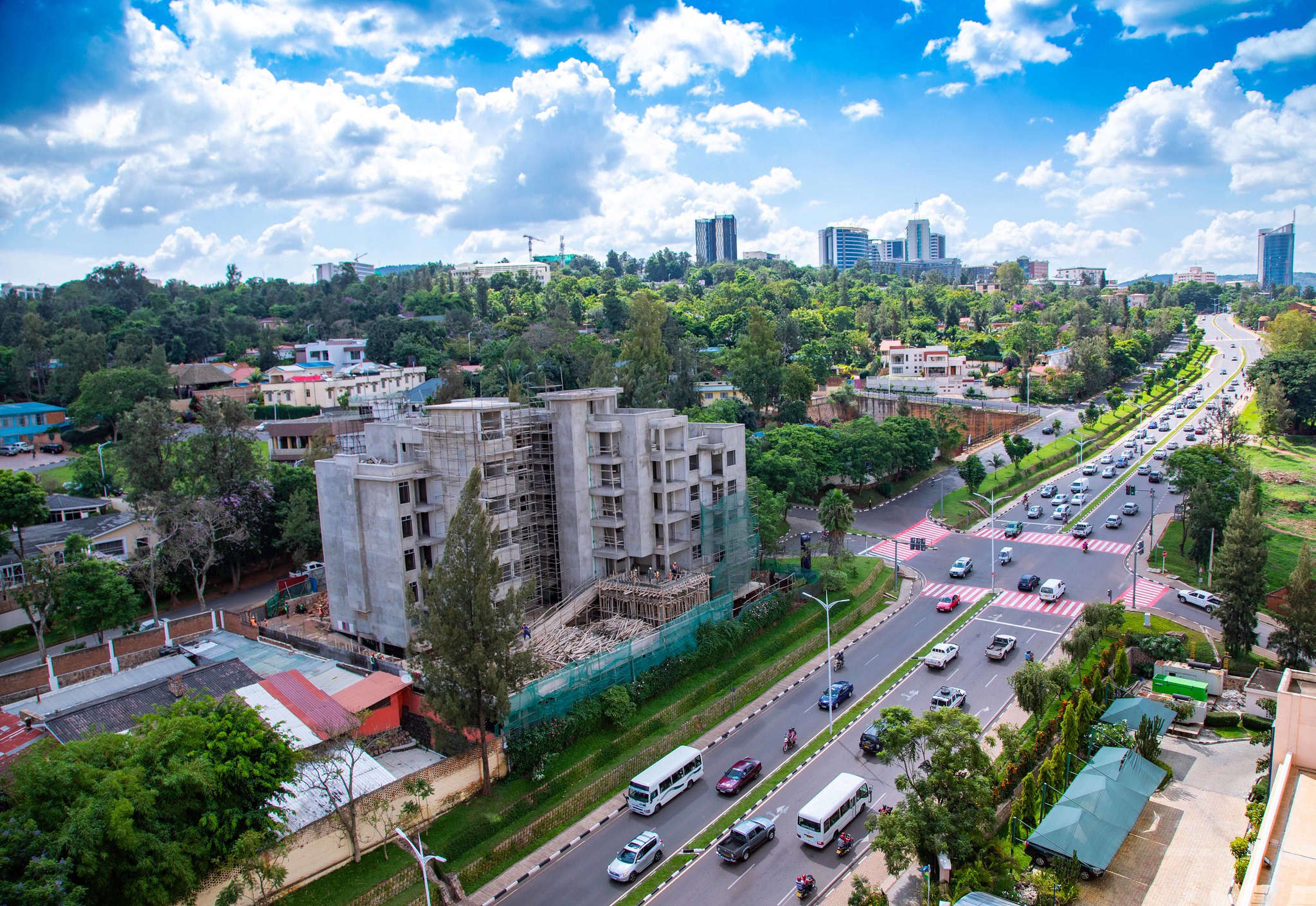
The term 'Kigalian' and the city name Kigali possess elegant linguistic origins in Kinyarwanda (also called Rwanda or Rwandan), the Bantu language spoken by virtually all Rwandans. The name is constructed using the Kinyarwanda prefix ki- combined with the root -gali, which means 'wide', 'broad', or 'vast'. This linguistic structure follows typical Bantu noun class systems where ki- often refers to large objects, abstract concepts, or ways/manners of doing things.
The name was originally applied to Mount Kigali (Mount Jali or Kigari Hill in some historical sources), a prominent hill that overlooks the city and provided commanding views of the surrounding valleys and ridges. Mount Kigali was the largest and most imposing of the numerous hills in the area—Rwanda being known as the 'Land of a Thousand Hills' (Igihugu cy'Imisozi Igihumbi) for its remarkably hilly topography. From this hill, one could see vast expanses of territory, hence the appropriateness of the name meaning 'broad' or 'vast'.
A captivating legend attributes the name's popularization to King Cyilima I Rugwe (also spelled Cyilima Rujugira), a powerful Mwami (king) of the Kingdom of Rwanda who ruled in the late 17th or early 18th century (exact dates are debated). According to oral tradition, when the king first surveyed the landscape from Mount Kigali during a military campaign or royal tour, he was struck by the expansive vista and reportedly exclaimed: "Burya iki gihugu ni kigali!" ("Indeed, this country is vast!" or "This land is so wide!"). This royal proclamation supposedly gave the mountain—and later the settlement—its name, though this story may be a later romanticized etymology rather than historical fact.
Before colonization, there was no significant urban settlement at Kigali; the area consisted of scattered homesteads (rugo) on various hills typical of Rwanda's dispersed settlement pattern. The Germans, who colonized Rwanda as part of German East Africa, first established an administrative post at Kigali in 1907 due to its central geographic location, though they maintained their main base at Kigoma (in modern Tanzania). The Belgians, who took control after World War I under a League of Nations mandate, kept the colonial capital at Butare (then called Astrida) in the south, Rwanda's intellectual and religious center.
Kigali only became Rwanda's capital when the country gained independence on July 1, 1962, selected largely for its central geographic position that could theoretically unite the country's regions. The city's modern development has been profoundly shaped by the 1994 Genocide against the Tutsi, during which approximately 800,000 to 1,000,000 people were murdered in 100 days. Post-genocide reconstruction transformed Kigali into one of Africa's cleanest, safest, and most orderly cities, often called a model for African urban development. The demonym 'Kigalian' follows English patterns, though in Kinyarwanda, residents are called Abanyakigali (people of Kigali).