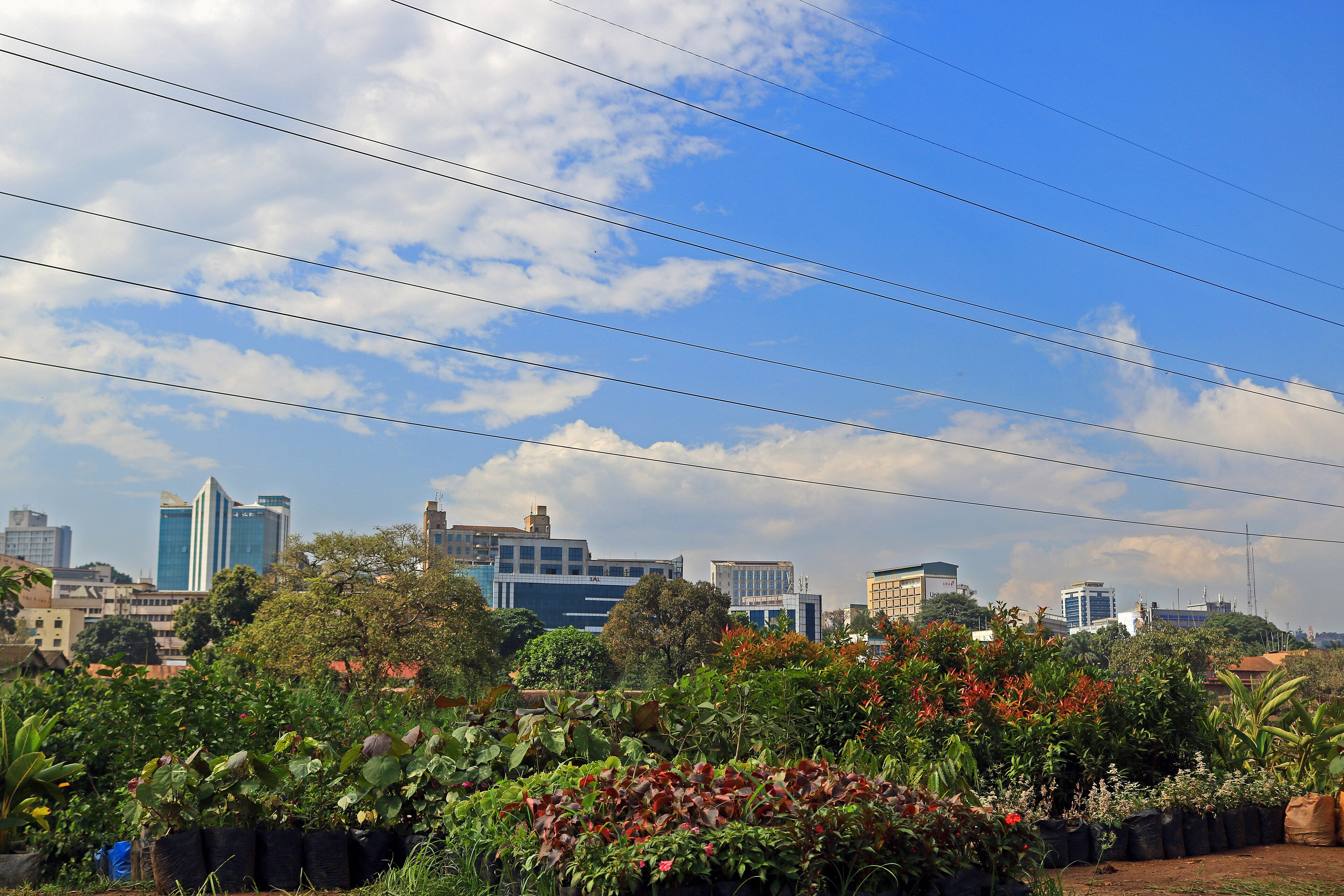
The term 'Kampalan' and the city name Kampala derive from the Luganda language, spoken by the Baganda people of the ancient Buganda Kingdom (one of Africa's oldest continuously existing kingdoms). The name comes from the Luganda phrase Akasozi k'empala or kasozi k'empala, which translates to 'Hill of the Impala' or 'hill of the antelopes'. The phrase breaks down as: kasozi meaning 'hill', ka being a possessive particle ('of'), and empala referring to the impala antelope (Aepyceros melampus), a graceful medium-sized antelope common in East African savannas.
Historical records and oral traditions indicate that the area now occupied by Kampala was once a favorite hunting ground of the Kabaka (king) of Buganda, where large herds of impala and other game animals grazed on the grassy hills. The Kabakas would organize royal hunting expeditions to these hills, making them important not just for subsistence but as sites of royal leisure and ceremony. The abundance of impala specifically made such an impression that the entire area became associated with these elegant antelopes.
The city is famously built on seven original hills, a feature often compared to Rome and giving Kampala a distinctive topography. These classical seven hills are: Mengo Hill (where the Kabaka's palace, the Lubiri, stands), Kibuli Hill, Namirembe Hill (Anglican cathedral), Lubaga Hill (Catholic cathedral), Nsambya Hill, Kampala Hill (the original hill from which the city takes its name, sometimes called Old Kampala), and Kololo Hill. As the city expanded, it grew to encompass additional hills, and modern Kampala is said to span more than 20 hills.
Kampala's evolution from royal hunting grounds to capital city occurred during the colonial era. When the British established the Uganda Protectorate in 1894, they initially made Entebbe (on Lake Victoria's shores, 35 km away) the administrative capital due to its cooler lakeside climate and better access to steamship transport. However, Mengo Hill, the seat of the Kabaka's palace in the heart of Kampala, remained the political and cultural center of Buganda. The British gradually shifted administrative and commercial functions to Kampala due to its more central location, and it was officially designated the capital when Uganda gained independence on October 9, 1962.
The Buganda Kingdom maintains significant cultural influence, and the current Kabaka, Muwenda Mutebi II (crowned 1993), still resides at the Mengo palace. Kampala remains the kingdom's capital alongside being Uganda's national capital, creating a unique dual political status. The demonym 'Kampalan' follows English conventions, though in Luganda, residents might be called Bakampala (using the Bantu noun class prefix Ba- for people).