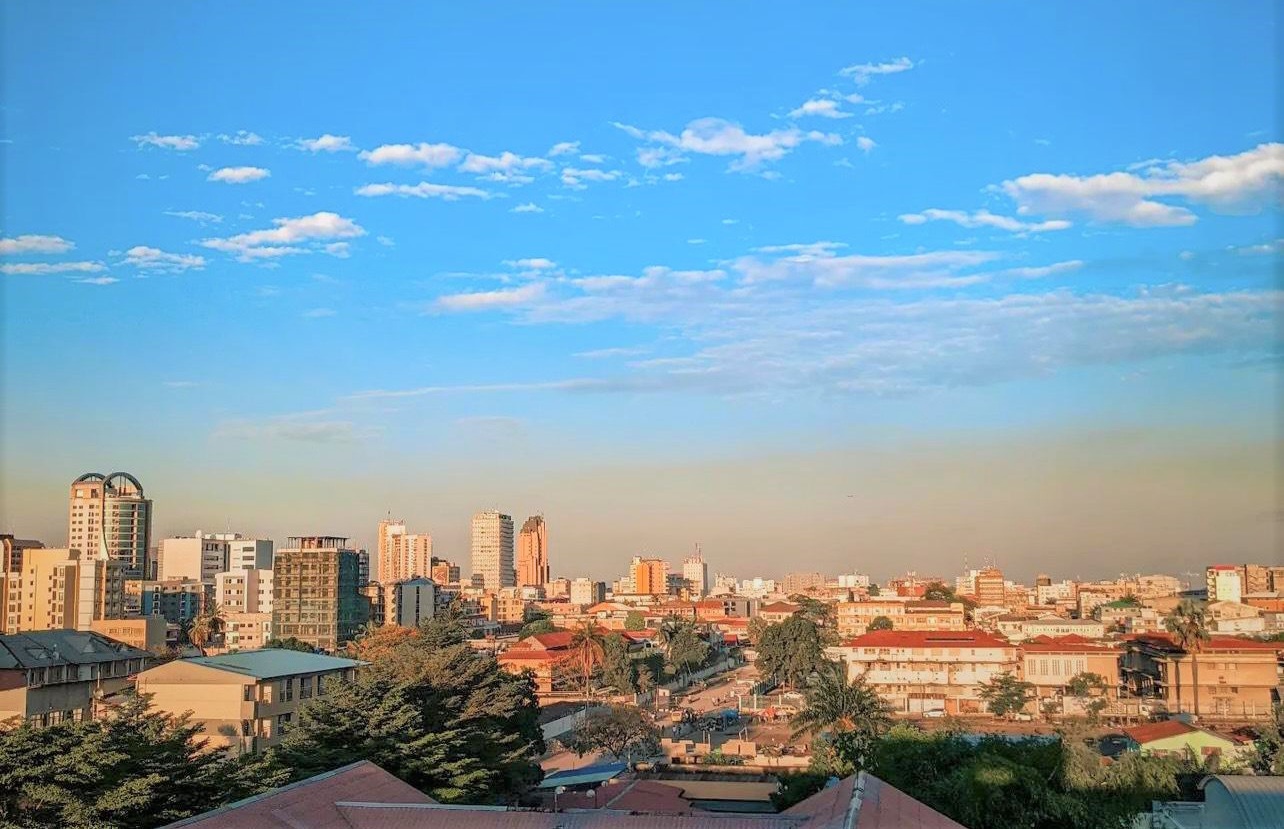
The term 'Kinois' (French-influenced demonym, plural form) and the city name Kinshasa have origins in the Kikongo language, spoken by the Kongo people who historically inhabited the area around the Congo River basin. The name derives from the Kikongo word nshasa (or nshasha), which refers to a type of marshy grass or tall grass that grew abundantly in the swampy lowlands along the Congo River's banks. An alternative interpretation suggests nshasa means 'trading post' or 'market place', which would align with the area's historical role as a fishing and trading site.
Historical accounts describe the area as a collection of small fishing villages belonging to the Humbu people, a Kikongo-speaking subgroup, situated on the southern bank of the Congo River at Malebo Pool (formerly Stanley Pool), where the river dramatically widens. These villages, characterized by their location amid tall grasses and papyrus swamps, were collectively known by variations of the name related to nshasa. The largest village was reportedly called Kinshasa or Nshasa, with the prefix kin- or ki- being a Kikongo noun class marker often indicating place or manner.
The area's transformation from fishing villages to a major city began with European colonization. In 1881, Welsh-American explorer Henry Morton Stanley, working for Belgium's King Leopold II, established a trading station called Léopoldville on the site, naming it after the Belgian monarch. This station became the launching point for Leopold's brutal exploitation of the Congo Free State (1885-1908), his personal colonial possession, during the notorious rubber terror period when millions of Congolese died from forced labor, mutilation, and violence. In 1908, international outcry forced Leopold to cede the territory to Belgium, which renamed it the Belgian Congo, with Léopoldville as its capital.
Following Congolese independence on June 30, 1960, the city retained the colonial name Léopoldville until 1966 when President (later dictator) Mobutu Sese Seko implemented his authenticite policy, a cultural nationalist program aimed at eliminating colonial names and asserting African identity. On May 3, 1966, Mobutu renamed the city Kinshasa, restoring its pre-colonial Kikongo name. This was part of a broader campaign that included renaming the country from Congo to Zaïre (1971-1997), requiring citizens to drop Christian names for African ones, and banning Western clothing like suits and ties in favor of the abacost (a modified Mao-style suit).
Kinshasa's unique position directly across the Congo River from Brazzaville, capital of the Republic of the Congo, makes them the world's second-closest pair of capital cities (after Rome and Vatican City), separated by only about 4-5 kilometers of water. The two cities, despite sharing ethnic and linguistic heritage, developed separately under Belgian and French colonial rule respectively, creating parallel Francophone capitals.
The French-derived demonym 'Kinois' (masculine singular/plural) or 'Kinoise' (feminine) has become the standard term for Kinshasa residents, reflecting the city's Francophone culture. Kinshasa is also the world's largest French-speaking city, surpassing Paris in population. The city has been a crucible of Congolese popular music, particularly the rumba and soukous styles that have influenced music across Africa.