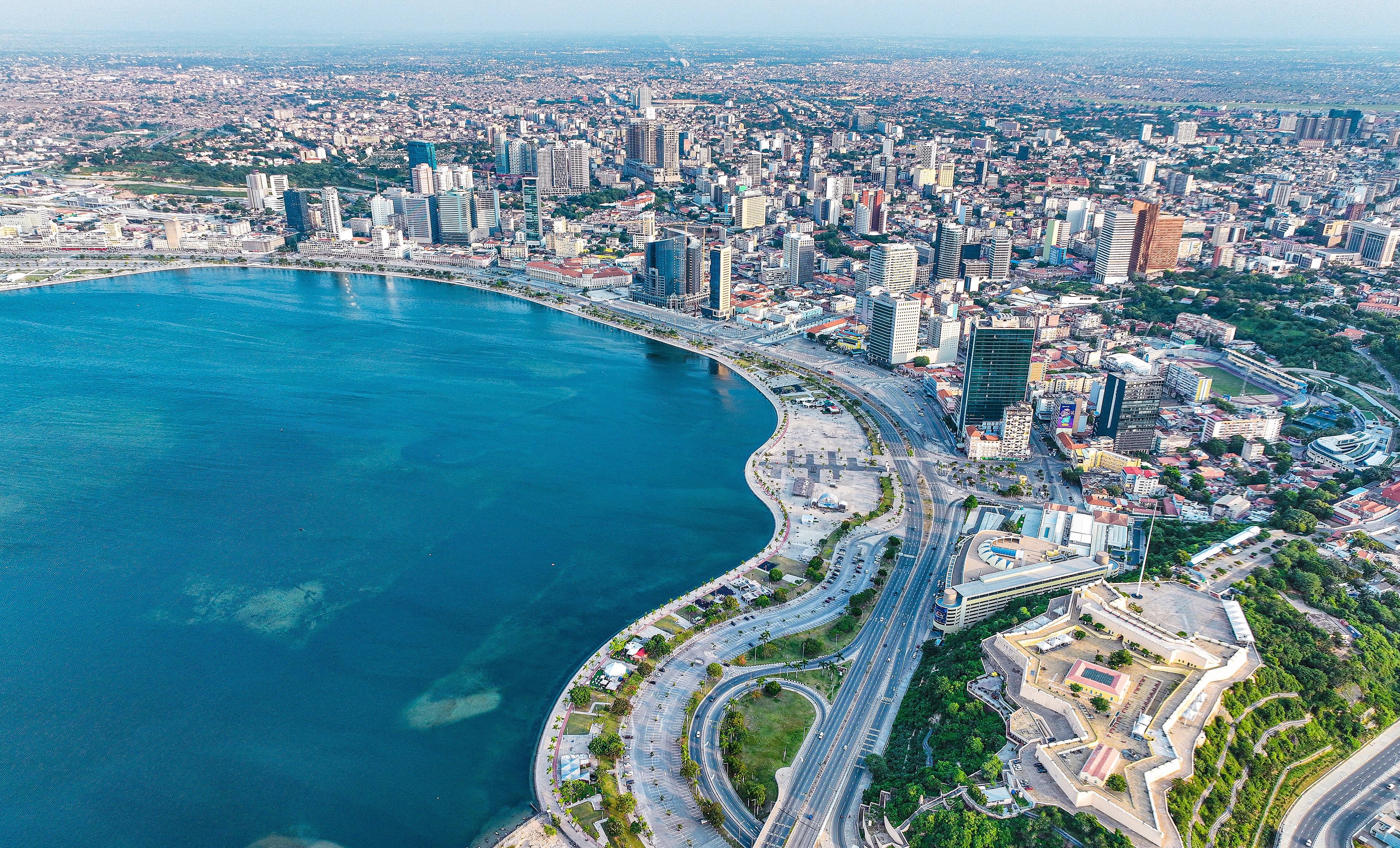
The term 'Luandan' and the city name Luanda have fascinating origins in the Kimbundu language (also called Mbundu or Luanda), spoken by the Mbundu people of north-central Angola. The name derives from the Kimbundu word luanda, which refers to 'tribute' or 'tax', specifically tribute that was traditionally paid using nzimbu shells (Monetaria annulus or money cowries). These small, white shells collected from Luanda Island (Ilha de Luanda) and nearby coastal waters served as currency throughout Central Africa for centuries, being particularly valued in the Kingdom of Kongo and inland kingdoms.
The word can be broken down further: lu- is a Kimbundu noun class prefix, while -anda relates to concepts of obligation, payment, or collection. Thus luanda literally signifies 'place of tribute' or 'place of collection', reflecting the area's historical role as a site where nzimbu shells were harvested and where tribute was collected from subordinate communities. The shells were harvested by diving in shallow waters around Luanda Bay and Luanda Island, dried, and then transported inland where they functioned as money, sometimes being strung together in standardized quantities.
Historical sources indicate that before Portuguese arrival, the area was inhabited by Mbundu fishing communities subject to the authority of the Ngola (king) of Ndongo, a powerful kingdom inland from the coast. These communities were obligated to pay tribute to their overlords, often in the form of nzimbu shells, fish, salt, and other coastal products. The strategic importance of Luanda Bay as a natural harbor and the economic value of nzimbu shells made it a prized location.
Portuguese colonization dramatically altered the area. In January 1576, Portuguese explorer Paulo Dias de Novais (grandson of explorer Bartolomeu Dias) founded a settlement named São Paulo da Assunção de Loanda (Saint Paul of the Assumption of Loanda), combining Christian dedication with the indigenous place name. The Portuguese established Luanda as their primary base for colonizing Angola and, more infamously, as the principal slave-trading port on Africa's west coast. Between the 16th and 19th centuries, millions of enslaved Africans—primarily from Angola, Congo, and the interior kingdoms—were forcibly shipped from Luanda to the Americas, particularly to Brazil (Portugal's other major colony), making it the single largest source of the Atlantic slave trade.
The city's architecture reflects centuries of Portuguese colonial presence, with Baroque churches, colonial fortresses like the Fortress of São Miguel (built 1576), and colorful tiled buildings. Angola gained independence from Portugal on November 11, 1975, after a prolonged war of independence (1961-1974) and Portugal's Carnation Revolution. The city was officially renamed simply Luanda, dropping the Portuguese colonial religious prefix.
Modern Luanda has become one of the world's most expensive cities due to Angola's vast oil wealth, though this wealth is unequally distributed. The city has experienced massive population growth, driven by rural-urban migration during Angola's devastating civil war (1975-2002). The demonym 'Luandan' follows English conventions, though Portuguese language sources use Luandense (from Portuguese naming patterns).