São Tomé

Central Africa, São Tomé and Príncipe
São Tomé and Príncipe

People from São Tomé are called:

Male/General:

Santomean

Pronunciation:

/ˌsaʊ təˈmeɪ/

Quick Facts

Population:
80,000 (2024 est.)
Country:
São Tomé and Príncipe
Region:
Central Africa

Explore São Tomé

Want to explore where Santomeans live? Here's the atlas that does it best:

National Geographic Atlas of the World

Highly detailed, stunning visuals

See more options

As an Amazon Associate we earn from qualifying purchases.

Etymology & Origin

The name São Tomé means 'Saint Thomas' in Portuguese, following the Catholic tradition of naming geographic discoveries after the saint whose feast day coincided with the sighting. Portuguese navigators João de Santarém and Pero Escobar reached the island on December 21, 1470, the traditional feast day of Thomas the Apostle.

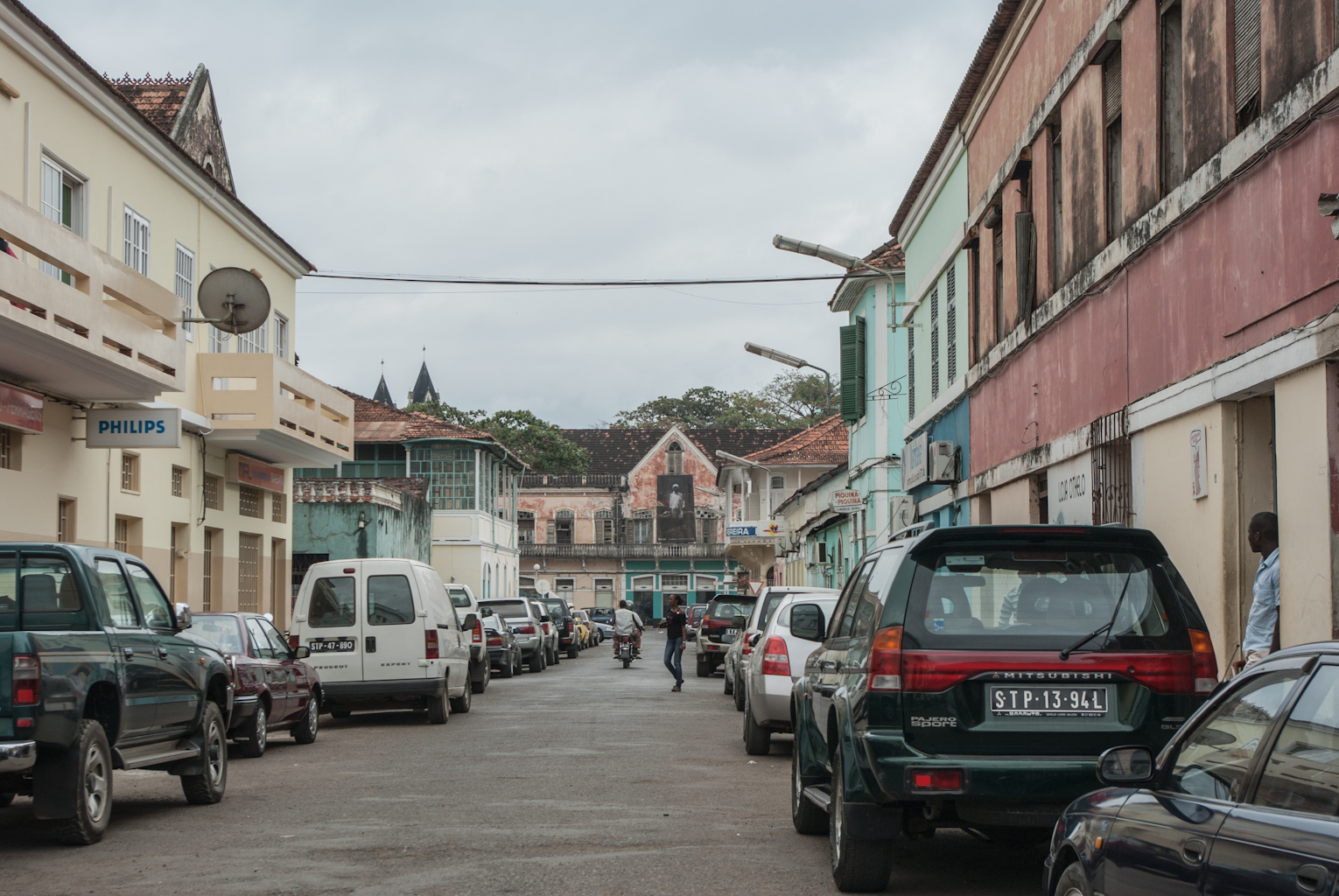
Uninhabited at the time of discovery, the Portuguese established the city in 1485. It quickly became a laboratory for the Atlantic slave trade, as the volcanic soil was ideal for sugar cane plantations. This established a brutal model of slave-based agriculture that would later be exported to Brazil and the Caribbean. By the 19th century, the island shifted its focus to coffee and cocoa, eventually becoming one of the world's leading cocoa producers—a legacy that persists in the island's roças (plantation estates).

Following the 1974 Carnation Revolution in Portugal, the islands achieved independence on July 12, 1975. The capital city remains the cultural and political hub of the nation, characterized by a unique Luso-African Creole identity. The population is a historic blend of descendants of enslaved people, maroons, and contract laborers from across the former Portuguese Empire, maintaining a distinctive cultural heritage known as Forro.
Notable People Associated with São Tomé

Generations of talented individuals have been associated with this vibrant place.

Politics & Leadership

Manuel Pinto da Costa

Água Grande, São Tomé and Príncipe

First President of São Tomé and Príncipe who led the country to independence from Portugal in 1975. He ruled as a one-party state leader until democratization in 1991, then returned as president in 2011.

First PresidentIndependence LeaderDemocratic Reformer

Literature & Arts

Conceição Lima

São Tomé, São Tomé and Príncipe

Prominent Santomean poet and journalist whose works explore the island nation's colonial history and African identity. She is considered one of the most important contemporary Lusophone African poets.

Portuguese-Language PoetryCultural VoiceLiterary Awards

About São Tomé

  • Capital of São Tomé and Príncipe on São Tomé Island.
  • Smallest African capital by population, located in the Gulf of Guinea.
  • Important center for cocoa production and tropical agriculture.
  • Beautiful tropical island city with Portuguese colonial heritage.
  • Growing eco-tourism destination known for biodiversity and beaches.

Test Your Knowledge

Challenge yourself with our demonym quizzes and see how many you can get right!

Take a Quiz →