The demonym 'Georgian' honors King George II of Great Britain (1683-1760), who reigned from 1727 to 1760 during the colonial period. The colony was established through a royal charter granted on April 21, 1732, and named 'Georgia' in Latin as 'Provincia Georgia.'
King George II was the last British monarch born outside Great Britain (in Hanover, Germany) and the last to lead troops into battle. The naming of Georgia in his honor was both a gesture of loyalty to the Crown and a political necessity for securing royal approval and protection for the new colony.
The colony was founded by James Oglethorpe and other trustees with unique humanitarian goals: to provide a new start for England's 'worthy poor,' particularly debtors, and to create a buffer zone protecting South Carolina from Spanish Florida and French Louisiana. The original charter forbade slavery, limited land ownership, and banned rum and lawyers—provisions that would all eventually be overturned.
The name 'George' itself derives from the Greek 'Georgios' (Γεώργιος), meaning 'farmer' or 'earth-worker,' from 'geo-' (earth) and 'ergon' (work). This etymology proved symbolically appropriate for a colony intended to be worked by small independent farmers. Saint George, the dragon-slaying patron saint of England, also influenced the name's popularity in English royal families.
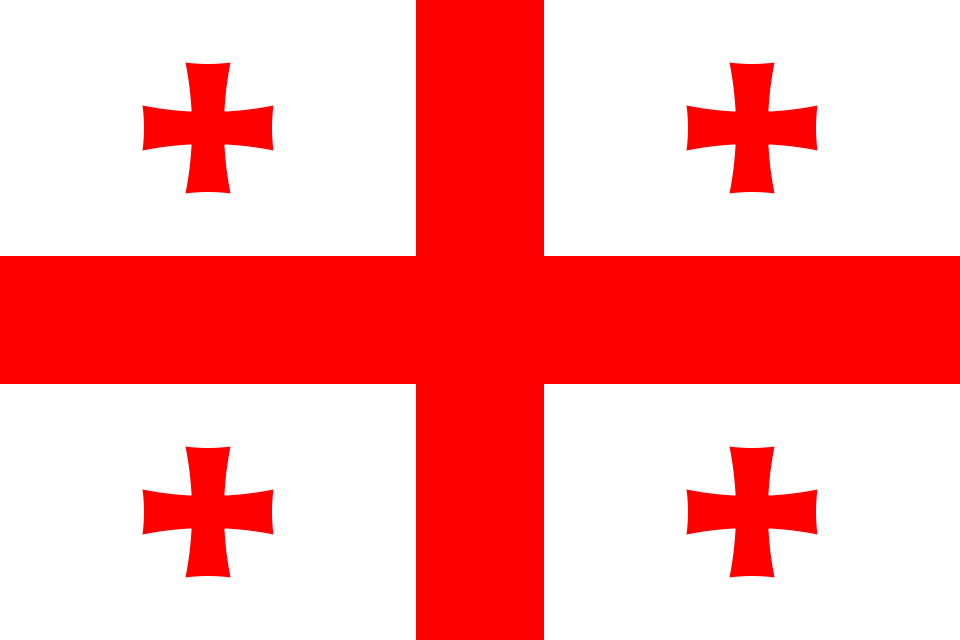
Early colonial documents show the Latin form 'Provincia Georgia' and various anglicizations: 'Georgia,' 'Georgea,' and occasionally 'Georgeia.' The name distinguished the colony from the ancient kingdom of Georgia in the Caucasus (Sakartvelo), though both share the same etymological root through the Greek 'Georgios.'
After declaring independence, Georgia became one of the original Thirteen Colonies and ratified the U.S. Constitution on January 2, 1788, becoming the 4th state. The state briefly seceded during the Civil War as part of the Confederacy (1861-1865) before being readmitted to the Union.
The demonym 'Georgian' with the suffix '-ian' serves double duty, referring both to the American state and to people from the country of Georgia (though the latter more properly call themselves 'Kartvelians' or use the Georgian term 'Kartvelebi'). The identical demonym occasionally causes confusion, resolved by context or the addition of clarifiers like 'Georgian (U.S.)' or 'Georgian (country).'