What Is a Demonym? Definition, Meaning, and Examples
A demonym is the word for people from a place — like 'Parisian,' 'Texan,' or 'Japanese.' Learn the demonym definition, how demonyms are formed, and how they differ from nationality and ethnicity.
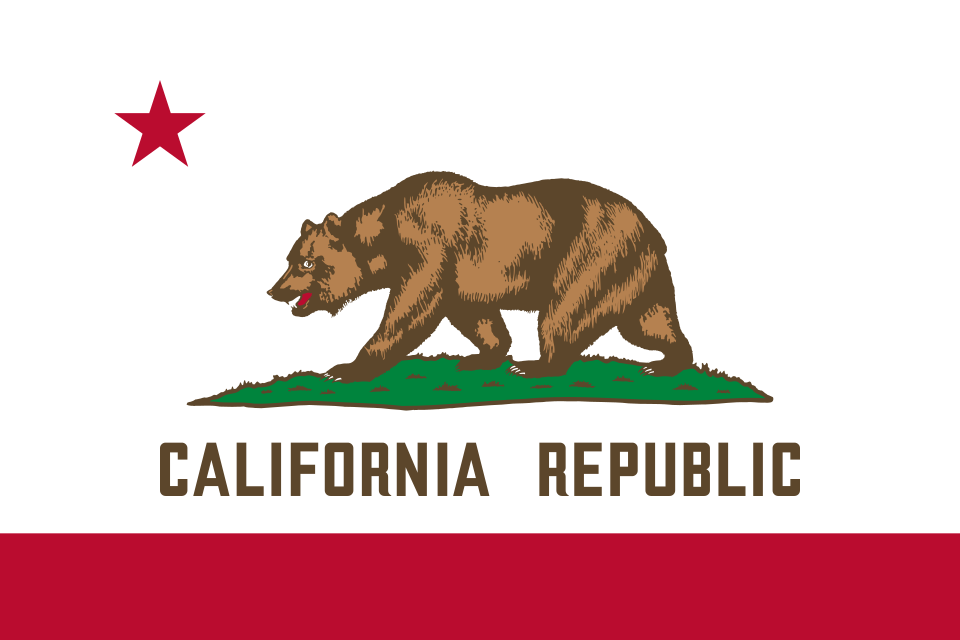
People from California are called Californian.
Californian
/ˌkælɪˈfɔːrniən/

The state of California is named after a fictional island from a 1510 Spanish romance novel. The name first appeared in 'Las Sergas de Esplandián' (The Adventures of Esplandián) by Garci Rodríguez de Montalvo, where California was described as an island paradise 'on the right hand of the Indies... very close to the side of the Terrestrial Paradise,' ruled by a Black warrior queen named Calafia and inhabited by Amazon warriors who rode griffins.
So who is California named after? Queen Calafia — a literary creation, not a historical figure. Her kingdom was said to be rich in gold and precious stones, an image that shaped Spanish expectations when explorers reached the New World.
How the fictional name became real: Spanish explorer Hernán Cortés applied the name to the Baja California peninsula around 1535, believing it was an island as in the novel. The name gradually extended north to Alta California (Upper California) — the region that became the U.S. state after the Treaty of Guadalupe Hidalgo (1848). Fittingly, gold was discovered at Sutter's Mill in January 1848, launching the Gold Rush and turning Montalvo's mythical golden paradise into reality. California achieved statehood on September 9, 1850.
What does 'California' mean? The word's ultimate origin is debated. Leading theories: • Derivation from Arabic 'khalifa' (caliph or successor) through Spanish • From Spanish 'caliente fornalla' or Latin 'calida fornax' — 'hot furnace,' describing the climate • Pure literary invention by Montalvo
Other names for California: Early maps and documents used 'Californias,' 'Californie,' and 'Carolana.' Today it's nicknamed the Golden State — a direct echo of the gold that defined its history and of Queen Calafia's legendary golden realm.
Want to explore where Californians live? Here's the atlas that does it best:
Highly detailed, stunning visuals
As an Amazon Associate we earn from qualifying purchases.
The demonym 'Californian' has a unique and remarkably literary origin among U.S. states. The name 'California' first appeared in a 1510 Spanish romance novel, 'Las Sergas de Esplandián' (The Adventures of Esplandián) by Garci Rodríguez de Montalvo. In this chivalric tale, California was described as a fictional island paradise 'on the right hand of the Indies... very close to the side of the Terrestrial Paradise,' ruled by Queen Calafia and inhabited by beautiful Amazon warriors who rode griffins.
The novel described California as possessing vast quantities of gold and precious stones, which likely influenced Spanish explorers' perceptions when they first encountered the Baja California peninsula in the 1530s and 1540s. The etymology of the word 'California' itself remains debated, with theories suggesting:
• Derivation from Arabic 'khalifa' (caliph or successor) through Spanish • Combination of Spanish 'caliente fornalla' (hot furnace), describing the climate • A corruption of the Latin 'calida fornax' (hot furnace or oven) • Pure literary invention by Montalvo
Spanish explorer Hernán Cortés is credited with applying the name to the Baja California peninsula around 1535, initially believing it to be an island as in the novel. The name 'California' gradually extended to Alta California (Upper California), the region that would become the U.S. state. Early maps showed various spellings including 'Californias,' 'Californie,' and 'Carolana.'
When Mexico gained independence from Spain in 1821, California became part of Mexican territory. Following the Mexican-American War and the Treaty of Guadalupe Hidalgo (1848), Alta California was ceded to the United States. The timing was fortuitous—gold was discovered at Sutter's Mill in January 1848, launching the California Gold Rush and bringing the mythical golden paradise of the novel to life. California achieved statehood on September 9, 1850, as the 31st state, and the demonym 'Californian' with the suffix '-ian' naturally followed the Latin-influenced naming pattern.
Numerous individuals with ties to this area have shaped culture, politics, and society.
Concord, California
One of the most popular and recognizable film stars worldwide, known for 'Forrest Gump' and 'Philadelphia.'
Los Angeles, California
Iconic actress, model, and singer who became one of the most popular sex symbols of the 1950s.
San Francisco, California
Legendary actor and director known for his 'Man with No Name' trilogy and 'Unforgiven.'
San Jose, California
Co-founder of Apple Inc. and the designer of the Apple I and Apple II computers.
Chicago, Illinois (founded Disney in CA)
Pioneer of the American animation industry who founded Disneyland in Anaheim, California.
Oakland, California
The 49th Vice President of the United States and former Attorney General of California.
Cypress, California
One of the greatest golfers of all time, with numerous major championships and PGA Tour wins.
Pasadena, California
Chef, author, and television personality who brought French cuisine to the American public.
Other places in the region and their demonyms
Want to explore where Californians live? Here's the atlas that does it best:
Highly detailed, stunning visuals
As an Amazon Associate we earn from qualifying purchases.
Challenge yourself with our demonym quizzes and see how many you can get right!
Take a Quiz →A demonym is the word for people from a place — like 'Parisian,' 'Texan,' or 'Japanese.' Learn the demonym definition, how demonyms are formed, and how they differ from nationality and ethnicity.
From Angelenos and Phoenicians to Minneapolitians and Salt Lakers, discover 25 U.S. city demonyms that break normal grammar rules, along with the fascinating history behind them.
Challenge yourself with our demonym quizzes and see how many you can get right!
Take a Quiz →Discover demonyms from other places in this region