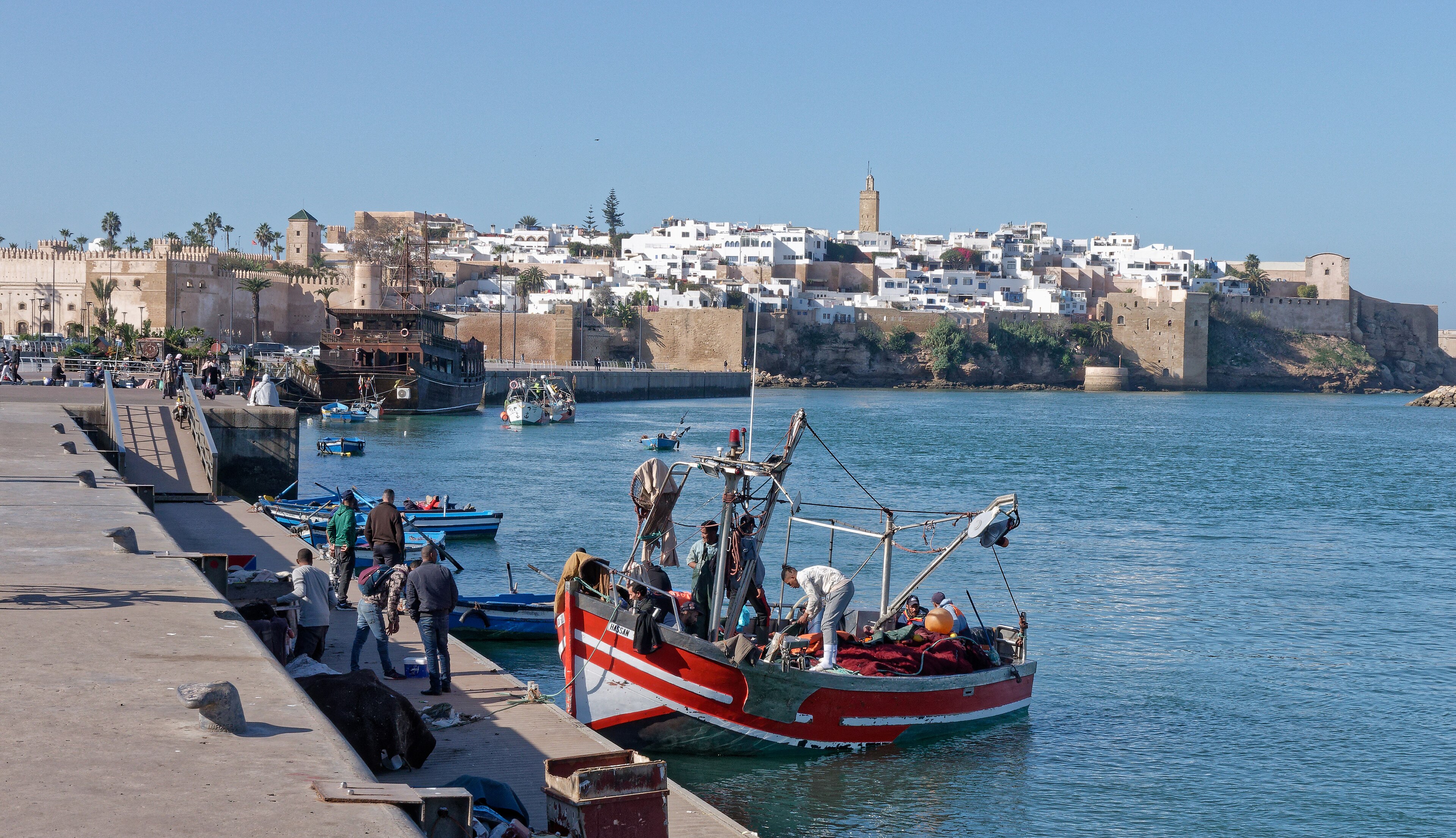
The term 'Rabati' and the city name Rabat derive from rich Arabic military and Islamic heritage terminology. The full historical name was Ribāṭ al-Fatḥ (رباط الفتح), which translates to 'Fortress of Victory' or 'Stronghold of Conquest'. This name reflects the city's founding purpose and Islamic spiritual-military traditions.
The word ribāṭ (رباط) has deep significance in Islamic history, referring to a fortified monastery or garrison where warrior-monks (murābiṭūn) would station themselves along frontiers to defend Islamic territories and launch raids against non-Muslim lands. These ribats combined religious devotion with military readiness—residents would spend time in prayer, Quranic study, and military training, embodying the concept of jihad as both spiritual struggle and defensive warfare. The term is the origin of the name of the Almoravid dynasty (al-Murābiṭūn in Arabic).
Rabat was established in 1150 CE (alternatively dated to 1146) by the Almohad Caliph Abd al-Mu'min, founder of the Almohad Caliphate, as a strategic military base for campaigns to reconquer al-Andalus (Islamic Iberia) from Christian kingdoms during the Reconquista. The site, located at the mouth of the Bou Regreg river, provided an ideal strategic position for launching naval and land expeditions across the Strait of Gibraltar. His grandson, Caliph Ya'qub al-Mansur (r. 1184-1199), significantly expanded the city following his great victory at the Battle of Alarcos (1195), planning to make it his empire's capital and beginning construction of the massive Hassan Tower mosque—left unfinished after his death.
The city declined after the Almohad dynasty's fall in the 13th century, becoming a haven for Moriscos (expelled Muslims from Spain) and Barbary pirates in the 17th century, when it was known as Salé le Neuf (New Salé) by Europeans. It was elevated to capital status when the French established their protectorate over Morocco in 1912, replacing Fez as the administrative center. The demonym 'Rabati' follows Arabic naming conventions, and the city remains one of Morocco's four imperial cities alongside Fez, Marrakech, and Meknes.