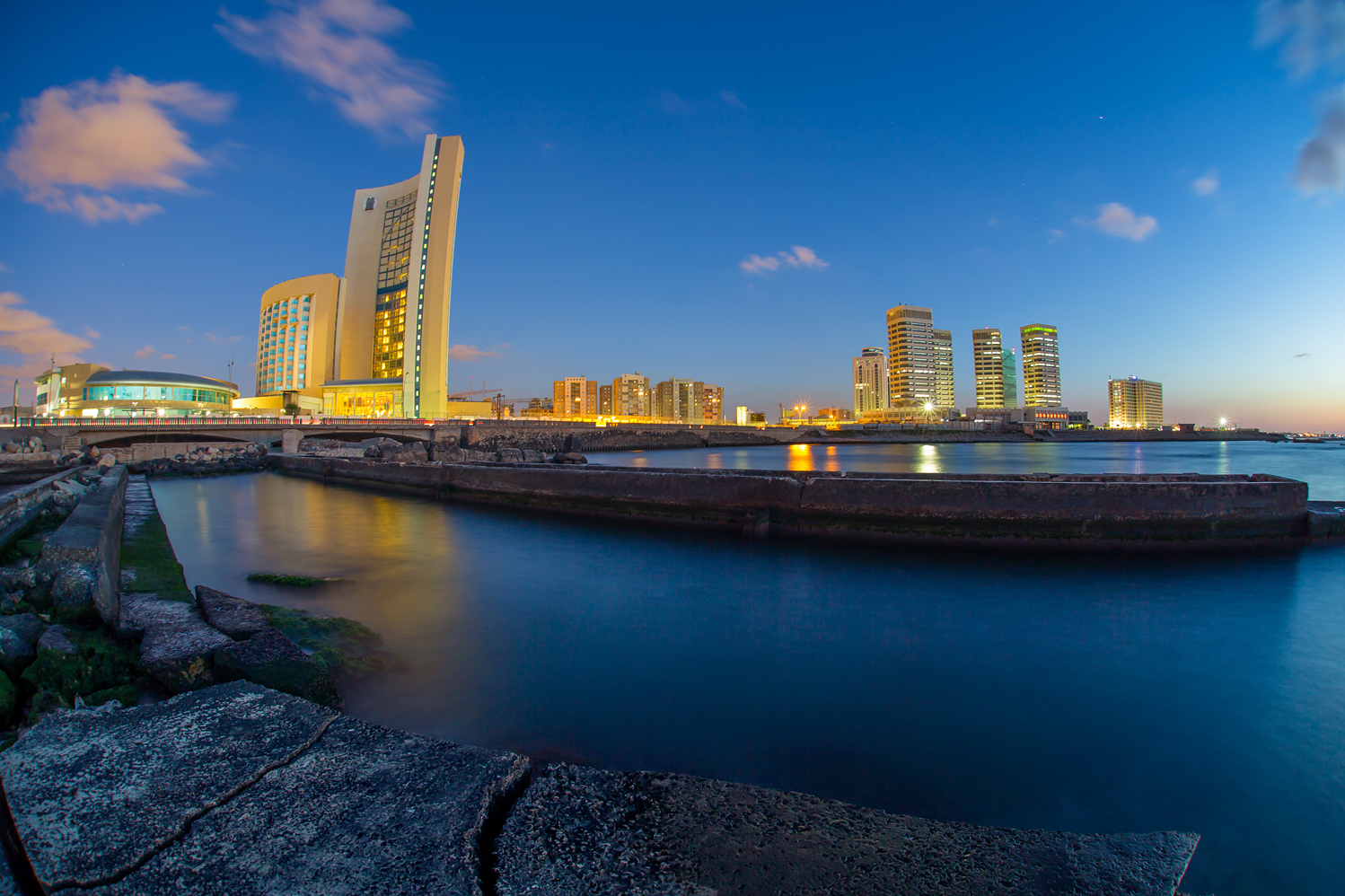
The term 'Tripolitan' and the city name Tripoli carry ancient Greek origins with deep Phoenician roots. The name derives from the Greek Tripolis (Τρίπολις), literally meaning 'Three Cities' (from treis 'three' + polis 'city'). This refers to a unique ancient confederation formed by three major Phoenician settlements that together constituted a single political and commercial entity around the 7th century BC.
The three founding cities were Oea (modern Tripoli), Sabratha (located 70 km west), and Leptis Magna (located 120 km east). These Phoenician trading posts, established by settlers from Tyre and Sidon, formed a powerful commercial alliance that dominated Mediterranean trade routes. Under Punic (Carthaginian) control from the 4th century BC, they flourished as major ports exporting olive oil, ivory, gold, and wild animals for Roman amphitheaters.
When the region came under Roman control following the Punic Wars (3rd-2nd centuries BC), it was organized as the province of Tripolitania, preserving the Greek name. The Romans further developed the three cities, particularly Leptis Magna, which became one of the most magnificent cities of the empire and the birthplace of Emperor Septimius Severus (193-211 CE). However, over subsequent centuries, Sabratha and Leptis Magna gradually declined due to economic shifts, Berber invasions, and geological changes, while Oea survived as the main settlement.
In Arabic, the city is known as Ṭarābulus al-Gharb (طرابلس الغرب), meaning 'Tripoli of the West', to distinguish it from Tripoli, Lebanon (Ṭarābulus al-Sham), which bears the same Greek name. The Arabic rendering maintains the Greek etymology while adapting to Semitic phonology. The demonym 'Tripolitan' follows English conventions, referring both to residents of the city and the historical Tripolitania region, which encompassed much of northwestern Libya.