Tunis

North Africa, Tunisia
Tunisia

People from Tunis are called:

Male/General:

Tunisian

Pronunciation:

/tuˈnɪʒən/

Quick Facts

Population:
1,056,247 (2024 est.)
Country:
Tunisia
Region:
North Africa

Explore Tunis

Want to explore where Tunisians live? Here's the atlas that does it best:

National Geographic Atlas of the World

Highly detailed, stunning visuals

See more options

As an Amazon Associate we earn from qualifying purchases.

Etymology & Origin

The term 'Tunisian' and the city name Tunis possess ancient origins shrouded in linguistic mystery, with competing theories about their etymology. The most widely accepted theory suggests that Tunis is of Berber origin, derived from the Berber root tns, which means 'to lie down', 'to pass the night', or 'to encamp'. This would suggest the area was originally a temporary encampment or stopover point for travelers and nomadic tribes moving through North Africa, eventually evolving into a permanent settlement.

A second, equally compelling theory links the name to Tanith (Tnt or Tant), the supreme goddess of ancient Carthage, the powerful Phoenician city-state whose ruins lie just 15 kilometers from modern Tunis. Tanith was worshiped as a lunar goddess, patron deity of Carthage, and protector of the city, often depicted with outstretched arms and associated with fertility and the harvest. Her worship was so central to Carthaginian religion that some scholars believe the city of Tunis may have been named in her honor, possibly as a sacred site or suburb of Carthage. Archaeological evidence shows Tanith's cult flourished from at least the 5th century BC until Carthage's destruction by Rome in 146 BC.

Historical records show significant spelling variations: Roman sources refer to the settlement as Tunes or Tunesia, while medieval Arab geographers recorded it as Tūnis (تونس) or Tūnusa. After Carthage's catastrophic destruction—where legend says the Romans sowed the ruins with salt to curse the land—nearby Tunis gradually emerged as the region's successor city during the Islamic era. It became particularly prominent under the Hafsid dynasty (13th-16th centuries), which made it their capital.

The city's history as a successor to Carthage is reflected in its nickname 'Al-Khadra' (الخضراء), meaning 'The Green One', referring to the lush surrounding countryside. The demonym 'Tunisian' applies to both the city's residents and citizens of the modern nation-state of Tunisia, which takes its name directly from its capital. The ancient Berber-Punic heritage, combined with centuries of Roman, Byzantine, Arab, Ottoman, and French influence, has created Tunis's unique cultural identity.
Notable People Associated with Tunis

The area's rich history is reflected in the remarkable people connected to it.

Music & Entertainment

Claudia Cardinale

Tunis, Tunisia

Iconic Italian-Tunisian actress who became one of the most celebrated stars of European cinema. She appeared in classics like 'The Leopard' and 'Once Upon a Time in the West,' representing elegance and talent.

The LeopardOnce Upon a Time in the WestGolden Globe Nominee
Lotfi Abdelli

Tunis, Tunisia

Lotfi Abdelli (born 1970) is a Tunisian actor, dancer, comedian, and television presenter. He won the Best Actor Award at the Carthage Film Festival 2006 for 'Making Of' and Best Actor at the Dubai International Film Festival 2015 for 'Les Frontières du ciel'. He stars in the hit TV series 'Bolice' and hosts the popular show 'Abdelli ShowTime' on Attessia TV.

Carthage Film Festival Best Actor 2006Dubai Film Festival Best Actor 2015'Making Of''Bolice' TV series'Abdelli ShowTime' hostTunisian comedy icon

Literature & Arts

Albert Memmi

Tunis, Tunisia

Albert Memmi (1920-2020) was a renowned Tunisian-French writer, essayist, philosopher, and sociologist. His seminal work 'The Colonizer and the Colonized' (1957) became a foundational text in postcolonial studies. His novel 'The Pillar of Salt' (1953) won the prestigious Fénéon Prize, and he served as a professor at the Sorbonne and director at the School of Higher Studies in Social Sciences from 1975.

'The Colonizer and the Colonized''The Pillar of Salt'Fénéon Prize 1954Sorbonne professorpostcolonial studies pioneerphilosopher

About Tunis

  • Capital and largest city of Tunisia on the Mediterranean coast.
  • Ancient city near the ruins of Carthage, center of the ancient Carthaginian Empire.
  • Birthplace of the Arab Spring movement in 2010-2011.
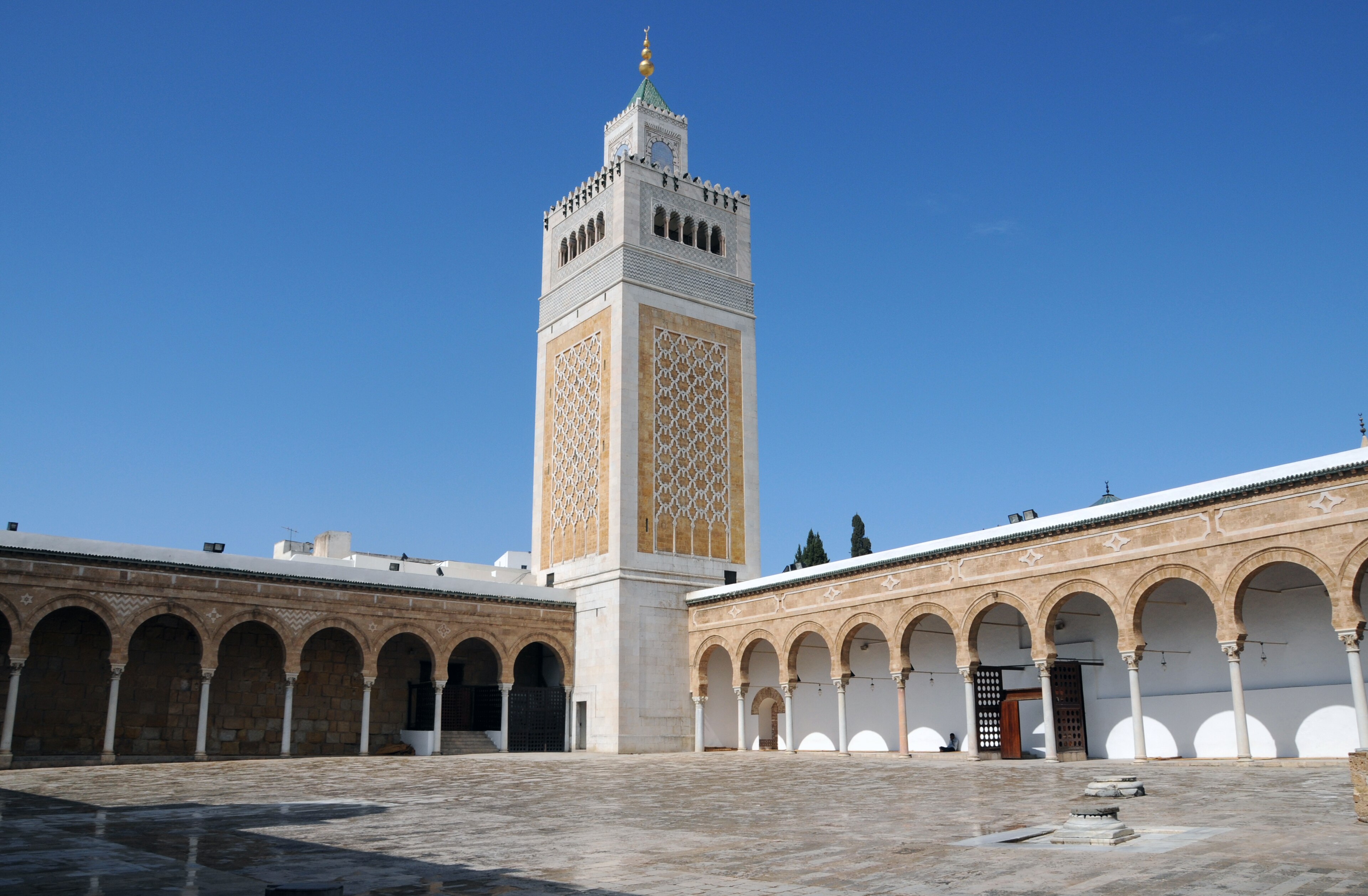
  • UNESCO World Heritage Site with well-preserved medieval medina.
  • Major center for North African politics, culture, and commerce.

Test Your Knowledge

Challenge yourself with our demonym quizzes and see how many you can get right!

Take a Quiz →

More places in North Africa

Discover demonyms from other places in this region