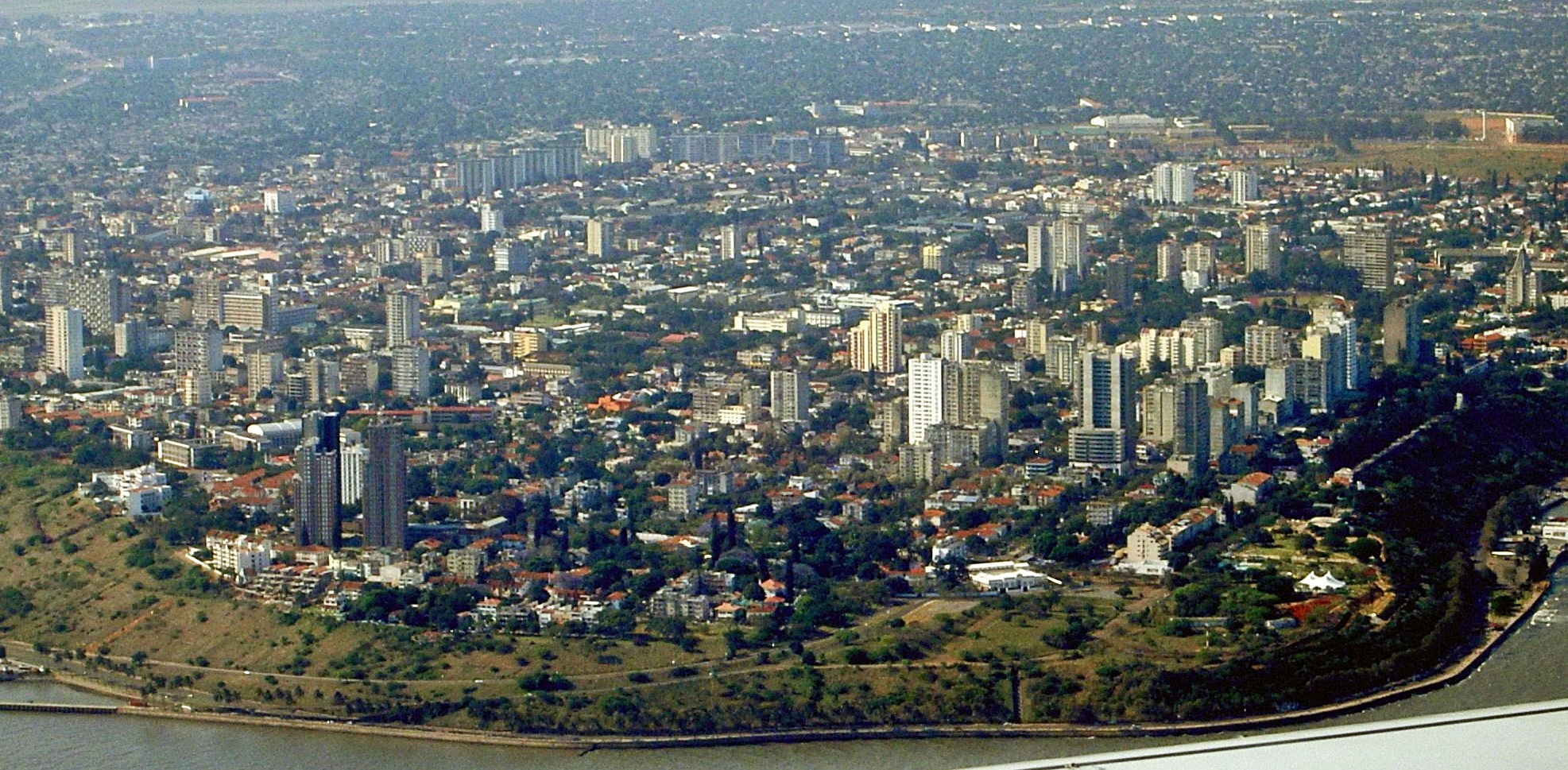
The term 'Maputoan' and the city name Maputo carry significant post-colonial symbolism, as the name was deliberately chosen to replace the colonial designation and reconnect with indigenous African heritage. The modern name Maputo was adopted in 1976, shortly after Mozambique's independence from Portugal, and is derived from the Maputo River (formerly called the English River or Rio Espírito Santo by Portuguese colonizers), which flows through southern Mozambique and forms part of the border with South Africa before emptying into Delagoa Bay.
The river itself was named after Chief Maputsu I (also spelled Mabutu or Maputa), a powerful leader of the Tembe clan (or Tembe-Thonga people), a subgroup of the Tsonga ethnic group that historically inhabited the region between the Maputo and Limpopo rivers. Chief Maputsu I ruled in the early 19th century and controlled important trade routes linking the interior plateau with the Indian Ocean coast. His chiefdom was strategically positioned to benefit from both local agricultural production and long-distance trade in ivory, cattle, and other goods. The river that ran through his territory became associated with his name, and this geographical designation later provided the foundation for the city's post-independence name.
Before the name change, the city bore the colonial name Lourenço Marques (or Lourenço Marques), honoring a Portuguese navigator and trader of the same name who explored the area in 1544. Lourenço Marques led one of the first Portuguese expeditions to extensively map Delagoa Bay (now Maputo Bay) and established early trading contacts with local African kingdoms, particularly for ivory and gold. However, permanent Portuguese settlement did not occur immediately; the area remained under the control of various African polities for centuries, with Portuguese presence limited to occasional trading posts.
The demonym 'Maputoan' is not universally standard; alternatives include Maputan or simply Mozambican when referring to residents. In Portuguese, which remains Mozambique's official language, residents are called Maputense.