Khartoum

Northeast Africa, Sudan
Sudan

People from Khartoum are called:

Male/General:

Khartoumer

Pronunciation:

/kɑːrˈtuːm/

Quick Facts

Population:
5,274,321 (2024 est.)
Country:
Sudan
Region:
Northeast Africa

Explore Khartoum

Want to explore where Khartoumers live? Here's the atlas that does it best:

National Geographic Atlas of the World

Highly detailed, stunning visuals

See more options

As an Amazon Associate we earn from qualifying purchases.

Etymology & Origin

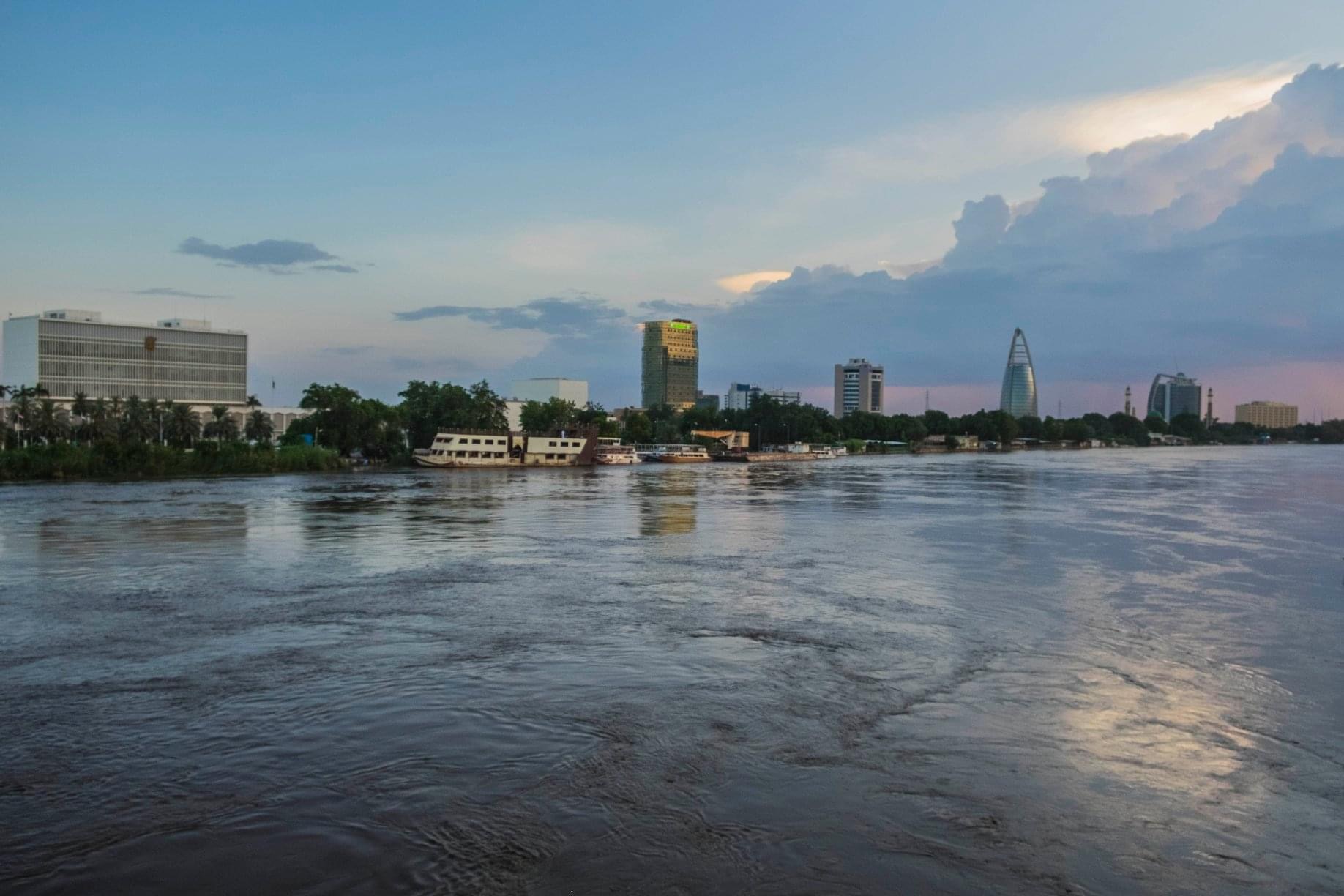
The name Khartoum derives from the Arabic al-Kharṭūm (الخرطوم), meaning 'the elephant's trunk' or 'snout.' This zoomorphic metaphor describes the narrow spit of land formed at the confluence of the Blue Nile and the White Nile. When viewed from above, the peninsula between these two great rivers resembles the long, flexible trunk of an elephant extending into the water.

Founded as a military outpost in 1821 by Ibrahim Pasha during the Ottoman-Egyptian conquest, the site was chosen for its strategic control over river traffic. It quickly evolved from a small garrison into a cosmopolitan administrative hub and a center for ivory and regional trade. Its location at the crossroads of North Africa and the Sahel made it the undisputed heart of the Turkiyah administration.

The city gained global notoriety during the Mahdist Revolt (1881–1898). Following the 10-month Siege of Khartoum and the death of British General Charles Gordon, the city was largely destroyed by Mahdist forces who moved their capital to nearby Omdurman. It was later rebuilt by the British after 1898 using a grand grid pattern designed to serve as the administrative capital of Anglo-Egyptian Sudan.

Since Sudanese independence in 1956, Khartoum has remained the nation's political and economic center. Today, it forms part of a 'tri-city' metropolitan area alongside Omdurman and Khartoum North (Bahri). While the geography that gave the city its name remains its most iconic feature, the 'Elephant's Trunk' now serves as the anchor for one of Africa's most historically significant urban centers.
Notable People Associated with Khartoum

This place has been connected to many influential figures throughout history.

Politics & Leadership

Muhammad Ahmad (The Mahdi)

Dongola, Sudan

Religious and political leader who led the Mahdist War against Ottoman-Egyptian rule in Sudan in the 1880s. He established an Islamic state and successfully besieged Khartoum, defeating British General Gordon.

Mahdist Revolt LeaderIslamic State FounderAnti-Colonial Resistance

Music & Entertainment

Alek Wek

Wau, Sudan (now South Sudan)

Supermodel who fled Sudan's civil war as a refugee and became one of the most successful African models. She has broken barriers in the fashion industry and advocates for refugees and displaced persons.

SupermodelRefugee AdvocateFashion Icon

About Khartoum

  • Capital of Sudan located at the confluence of the Blue and White Nile rivers.
  • Historic city serving as the political and cultural center of Sudan.
  • Major river port and commercial center for the Nile River trade.
  • Important Islamic center with numerous mosques and Islamic institutions.
  • Hub for Sudan's agricultural and petroleum industries.

Test Your Knowledge

Challenge yourself with our demonym quizzes and see how many you can get right!

Take a Quiz →

More places in Northeast Africa

Discover demonyms from other places in this region